


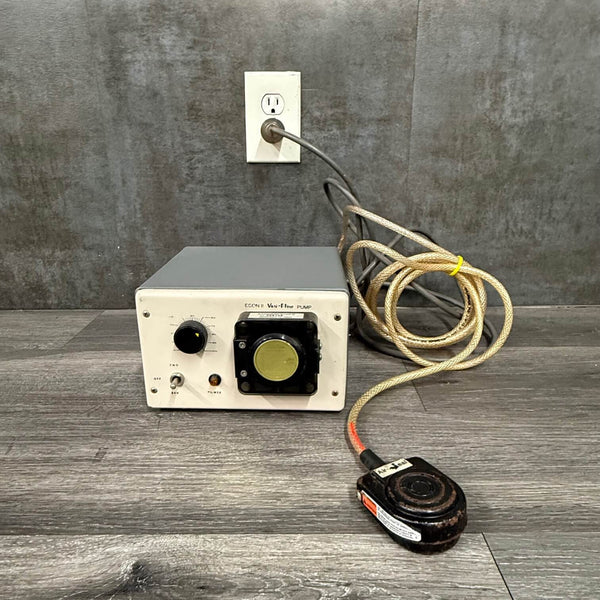
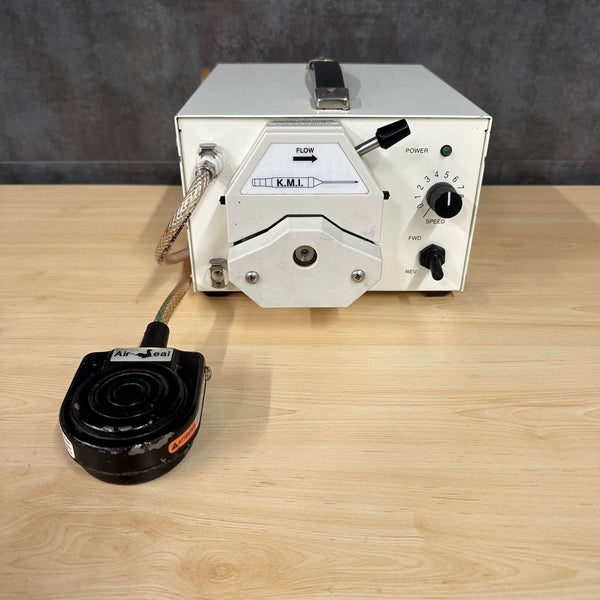
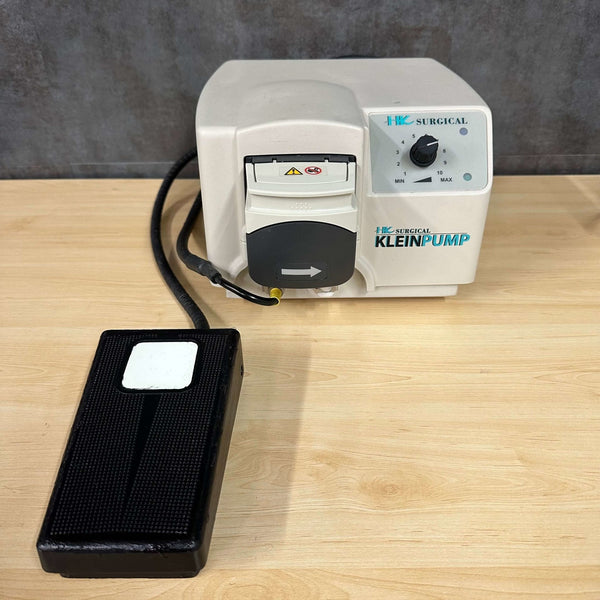
Infiltration Pumps
Controlled Fluid Delivery for Clinical & Surgical Precision
Infiltration pumps are essential medical devices used to deliver fluids in a controlled, consistent manner during a variety of clinical and surgical procedures. Designed to support accuracy, efficiency, and workflow reliability, these pumps play a critical role in applications where manual delivery is impractical or inconsistent.
Our Infiltration Pumps collection features professionally manufactured systems commonly used in medical environments where precise fluid administration is required. These devices are typically selected for their ability to help clinicians maintain steady flow rates, reduce physical strain, and support procedural control across a wide range of specialties
What Are Infiltration Pumps Used For?
Infiltration pumps are commonly utilized in medical settings where fluids need to be delivered into tissue or targeted areas at controlled volumes and pressures. Documented applications for infiltration pump technology include:
- Tumescent infiltration procedures
- Aesthetic and cosmetic medical procedures
- Dermatologic treatments
- Liposuction and lipofilling preparations
- Vascular and endovenous procedures
- Surgical irrigation and infiltration applications
The exact use and configuration vary depending on the clinical protocol, practitioner training, and compatible accessories.
Key Benefits of Medical Infiltration Pumps
While specifications vary by manufacturer and model, infiltration pumps are generally selected for these core advantages:
-
Controlled Flow Delivery
Designed to help maintain consistent fluid administration during procedures -
Improved Workflow Efficiency
Reduces reliance on manual infiltration methods -
Clinician‑Focused Operation
Often compatible with foot pedals or hands‑free controls -
Adaptability Across Procedures
Used in both surgical and non‑surgical healthcare environments -
Compatibility With Medical Tubing & Cannulas
Designed to integrate with standard infiltration accessories
Types of Infiltration Pumps You May Encounter
Infiltration pumps are available in multiple configurations depending on clinical needs, including:
- Peristaltic infiltration pumps
- Infusion / infiltration combination pumps
- Pneumatic or electrically powered systems
- Single‑direction or reversible flow designs
Each type is intended for use by trained medical professionals following manufacturer instructions and applicable clinical guidelines.
Choosing the Right Infiltration Pump
When selecting an infiltration pump, healthcare providers often evaluate:
- Intended clinical application
- Flow control requirements
- Compatibility with tubing and accessories
- Power source needs (single or dual voltage)
- Ease of cleaning, setup, and operation
The best choice depends on procedural volume, clinical specialty, and staff familiarity with the equipment.
Related Collections:
- Syringe Pumps
- Infiltration Pumps
- General Surgery
- Medical Equiment Repair
- Medical Equipment Calibration
Frequently Asked Questions (FAQs)
1. What is an infiltration pump?
An infiltration pump is a medical device designed to deliver fluids at a controlled rate into tissue or targeted areas during medical or surgical procedures.
2. Who typically uses infiltration pumps?
Infiltration pumps are commonly used by trained medical professionals in surgical centers, clinics, and specialty practices.
3. Are infiltration pumps the same as infusion pumps?
Some devices combine both functions, but infiltration pumps are specifically designed for controlled tissue or procedural fluid delivery rather than long‑term IV therapy.
4. What procedures commonly require infiltration pumps?
They are used in procedures such as tumescent infiltration, aesthetic treatments, dermatologic procedures, and surgical irrigation.
5. Are infiltration pumps used for cosmetic procedures?
Yes. Infiltration pump systems are commonly documented in aesthetic and cosmetic medical settings where controlled fluid delivery is required.
6. Do infiltration pumps require special training?
Yes. These devices are intended for use by trained healthcare professionals following manufacturer guidelines and clinical protocols.
7. What accessories are typically compatible with infiltration pumps?
Common accessories include infiltration tubing, cannulas, and foot controls, depending on the pump design and manufacturer.
Q: How should medical infiltration pumps be maintained?
A: Routine maintenance of medical infiltration pumps involves checking for proper functioning, cleaning the pump's exterior, reviewing alarm systems, and ensuring the accuracy of flow rates through calibration. Follow the manufacturer's guidelines and consult healthcare professionals for specific maintenance instructions.