

Bariatric surgery also called weight loss surgery refers to a group of procedures that reduce the size of the stomach or bypass part of the small intestine to help people with severe obesity lose weight. Unlike diets or exercise programs that often fail because the body’s set point resists long term change, bariatric operations reset hormonal signals so that patients feel full sooner and burn calories more efficiently. This article explains how bariatric surgery works, who may qualify, the benefits and risks, what to expect before and after surgery, and how high quality medical equipment plays a role in caring for bariatric patients.
How Bariatric Surgery Works?
Bariatric procedures change the digestive system in two ways: they restrict how much food the stomach can hold and/or reduce nutrient absorption. These changes send hormonal signals to the brain that decrease appetite, increase satiety and raise metabolism. The most common procedures include:
-
Roux en Y Gastric Bypass - Surgeons create a small stomach pouch and attach it to a lower part of the small intestine, bypassing much of the stomach and duodenum. This limits food intake and reduces calorie absorption.
-
Sleeve Gastrectomy - About 75 - 80 percent of the stomach is removed, leaving a narrow “sleeve.” Patients feel full quickly while still absorbing nutrients because no intestine is bypassed.
-
Biliopancreatic Diversion / Duodenal Switch - A more complex operation that combines sleeve gastrectomy with a significant bypass of the small intestine. It results in dramatic weight loss but requires strict adherence to vitamin supplementation.
-
Adjustable Gastric Banding - A silicone band around the upper part of the stomach creates a small pouch, which slows emptying and reduces hunger. This procedure is less common today due to lower long term success.
Minimally invasive techniques are now the norm. Laparoscopic surgery allows smaller incisions, less pain and quicker recovery. At medical centers such as UCLA, surgeons report major complication rates under 4 percent and a mortality rate of about 0.1 percent, comparable to gallbladder surgery.
Who Qualifies for Bariatric Surgery?
Eligibility depends on body mass index (BMI) and obesity related health conditions. According to guidelines from major societies and hospitals, candidates typically:
- Have a BMI ≥ 40 (class III obesity) or BMI ≥ 35 with at least one serious comorbidity such as type 2 diabetes, hypertension, sleep apnea or heart disease. Some programs consider individuals with BMI 30-34.9 who have uncontrolled metabolic disease.
- Have tried non surgical weight loss methods without sustained success.
- Are willing to commit to long term lifestyle changes, including dietary modifications, exercise and follow up appointments.
Adolescents may also qualify if they meet strict criteria and show maturity to adhere to post operative regimens.
Benefits of Bariatric Surgery
Bariatric surgery is the most effective long term treatment for severe obesity. Weight loss results vary, but patients typically lose 55 - 75 percent of their excess weight within three years. Key benefits include:
-
Improved metabolic health: Many chronic diseases improve or resolve after surgery. Weight loss procedures lower high cholesterol, blood pressure and blood sugar. Studies show remission or significant improvement in type 2 diabetes, sleep apnea, fatty liver disease and osteoarthritis.
-
Reduced cardiovascular risk: Decreases in hypertension and cholesterol reduce the risk of heart attack and stroke.
-
Enhanced quality of life: Patients often experience improved mobility, relief from joint pain and better mental health.
-
Lower mortality: Research shows bariatric surgery reduces the risk of premature death by up to 30 - 40 percent and increases life expectancy.
Risks and Considerations
While bariatric surgery is safer than ever, it remains major surgery and requires lifelong commitment. Potential risks include infection, bleeding, leaks at surgical connections, blood clots and complications from anesthesia. In the long term, some patients develop vitamin deficiencies, dumping syndrome (rapid emptying of stomach contents) or bowel obstruction. Therefore, regular monitoring and vitamin supplementation are essential. Psychological readiness is also important; candidates should be prepared for changes in body image and eating behavior.
Preparing for Surgery
The journey begins with a multidisciplinary evaluation. Patients meet with surgeons, dietitians, psychologists and sometimes physical therapists to assess readiness and develop a plan. Pre operative requirements often include:
-
Medical workup: Blood tests, imaging, cardiology clearance and sleep studies to identify risk factors.
-
Nutritional counseling: Learning portion control, protein intake and vitamin supplementation.
-
Weight loss program: Many centers require patients to lose a small amount of weight before surgery to shrink the liver and lower surgical risk.
-
Psychological assessment: Ensures patients understand the procedure, risks and necessary lifestyle changes.
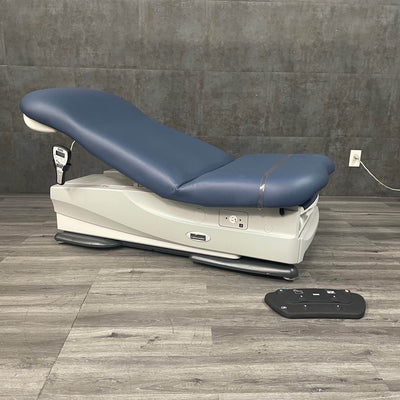
During this period, investing in durable equipment can improve comfort and safety. For example, clinics may outfit exam rooms with bariatric exam tables designed to support heavier patients and offer adjustable heights for easy transfers. Similarly, procedure chairs provide ergonomic support during consultations and minor procedures, while medical office furniture creates a welcoming environment for patients and families.
What to Expect During Surgery?
Most bariatric surgeries are performed under general anesthesia using laparoscopic instruments. The procedure typically lasts one to three hours, and patients stay in the hospital for one to two nights. On the day of surgery, a well stocked crash cart ensures emergency supplies are readily available if complications arise. During transfer to and from the operating room, hospital stretchers and gurneys designed for higher weight capacities keep patients safe.
Recovery and Post Operative Care
Recovery involves gradual progression from clear liquids to pureed foods and eventually soft solids over several weeks. Dietitians teach patients to prioritize protein, avoid high sugar foods and practice mindful eating. Most people return to work within two to four weeks. Lifelong follow up with a bariatric team is critical. Patients should expect:
-
Regular monitoring: Frequent check ups during the first year, then annually. Vital signs and weight are tracked using high capacity physician scales or specialized devices like the Seca 703 bariatric scale.
-
Vitamin supplements: Daily multivitamins, calcium, vitamin D, iron and B 12 prevent deficiencies.
-
Hydration and nutrition: Drinking at least 1.5-2 liters of fluid a day to avoid dehydration.
-
Physical activity: Starting with gentle walking and gradually increasing to regular exercise. Mobility aids such as a heavy duty bariatric rollator with storage can help early on.
-
Mental health support: Counseling or support groups address emotional adjustments and help patients maintain long term motivation.
Clinics and hospitals also rely on specialized equipment to support recovery. Comfortable medical recliner chairs allow patients to rest during infusions or consultations. Infusion pumps deliver precise volumes of fluids and medications, while patient vital sign monitor accessories help clinicians monitor heart rate, blood pressure and oxygen saturation. Bright, adjustable exam lights provide clear visibility during wound care or minor procedures. For medications requiring refrigeration, clinics should use purpose built medical refrigerators and freezers to maintain proper temperatures and meet regulatory standards.
Long Term Lifestyle Changes
Bariatric surgery is not a quick fix. Success depends on adopting healthy habits:
-
Balanced diet: Focus on lean proteins, fruits, vegetables and whole grains. Avoid high sugar, high fat foods to prevent dumping syndrome and weight regain.
-
Regular exercise: Aim for at least 150 minutes of moderate intensity activity per week, as recommended by healthcare professionals.
-
Routine follow ups: Ongoing contact with the bariatric team helps identify nutritional deficiencies, monitor weight changes and address concerns.
-
Education and support: Many centers offer classes or group meetings. For an introduction to medical equipment terminology, readers can explore Angelus Medical’s blog article “What Are Medical Tables Called?”, which explains common terms used in clinics.
Why Quality Equipment Matters?
Providing dignified care for bariatric patients requires equipment that is safe, durable and comfortable. In addition to the products already mentioned, clinics may need:
-
High weight capacity exam tables such as the Midmark Ritter 625 Power Exam Table, which features motorized height adjustments and reinforced construction for heavier patients.
-
Secure storage and mobility: Devices and supplies are kept orderly and accessible using bariatric rated carts or infusion pumps, reducing clutter and ensuring timely delivery of care.
Investing in appropriate equipment demonstrates respect for patients and helps healthcare professionals work efficiently. Partnering with a trusted supplier like Angelus Medical ensures access to a wide range of bariatric ready products designed to improve safety and comfort.
Conclusion
Bariatric surgery is a transformative tool for people with severe obesity. By reducing stomach size and altering gut hormones, it helps patients achieve substantial and sustained weight loss, improve metabolic health and reduce the risk of life threatening diseases. However, surgery is only one component of a comprehensive program that includes thorough pre operative evaluation, expert surgical care, lifelong follow up and significant lifestyle changes. With the right commitment from patients, support from healthcare teams and access to high quality equipment like bariatric exam tables and medical recliner chairs, bariatric surgery offers a pathway toward better health and improved quality of life.