

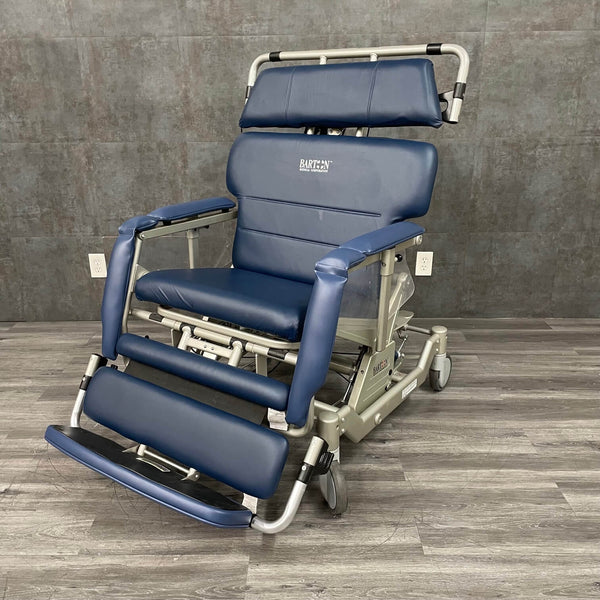
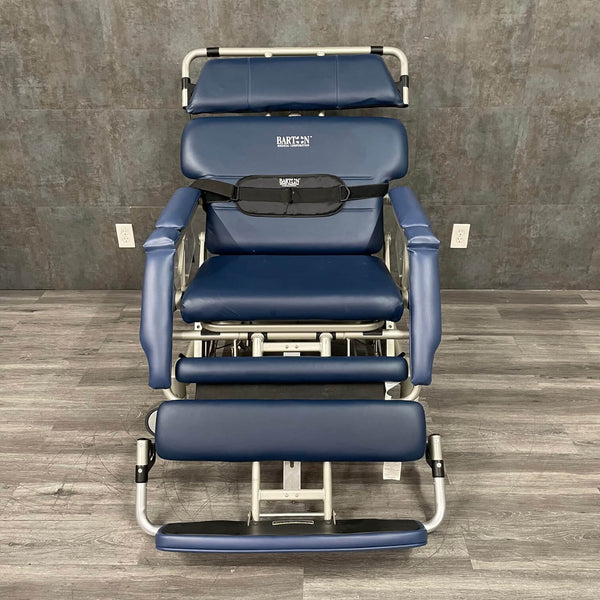
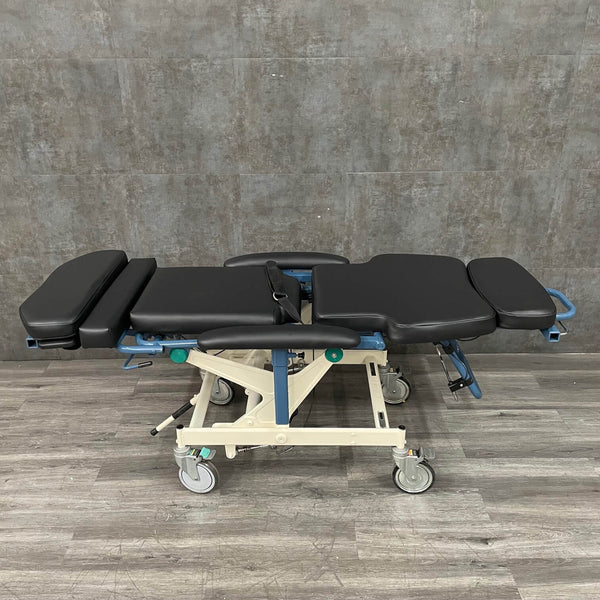
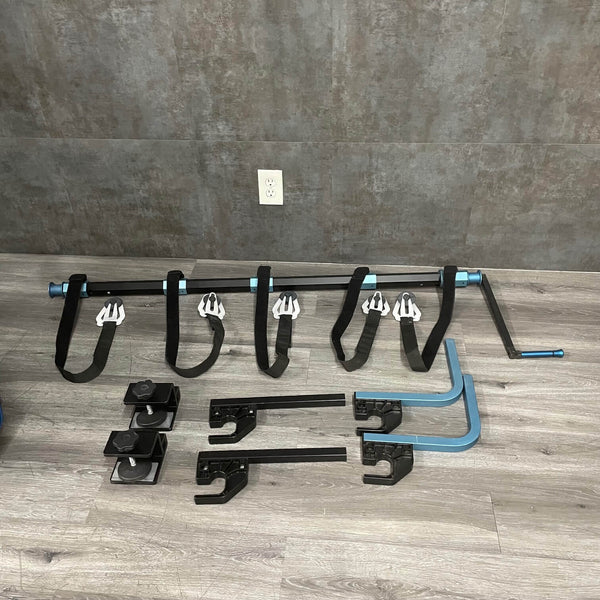
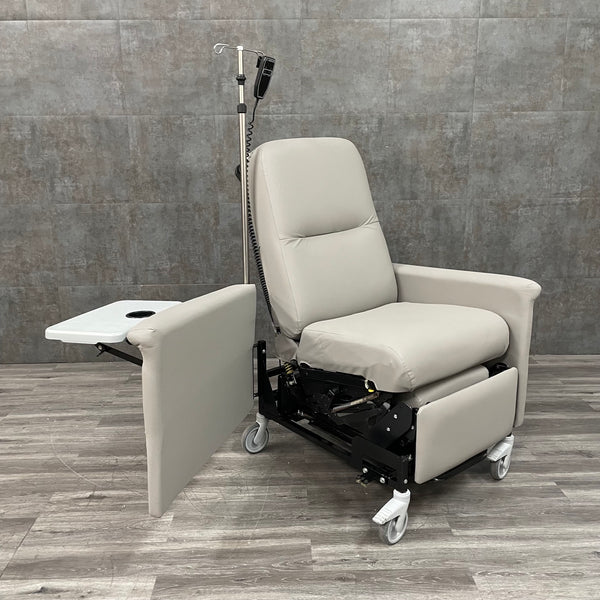
Medical Recliners – Patient Comfort, Mobility & Clinical Support Chairs
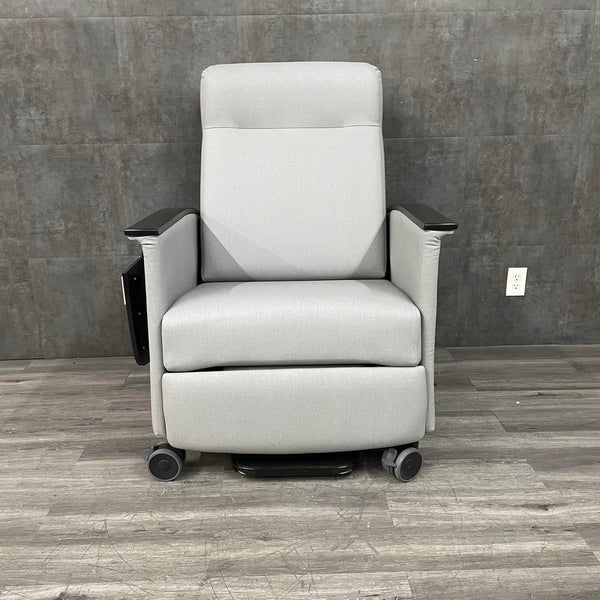
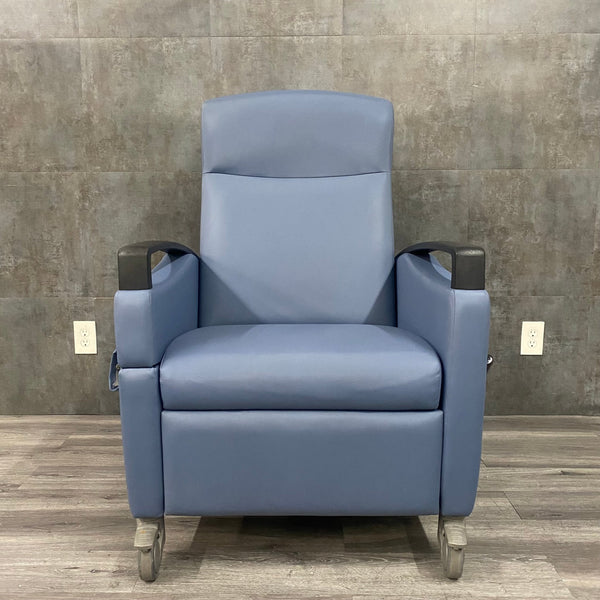
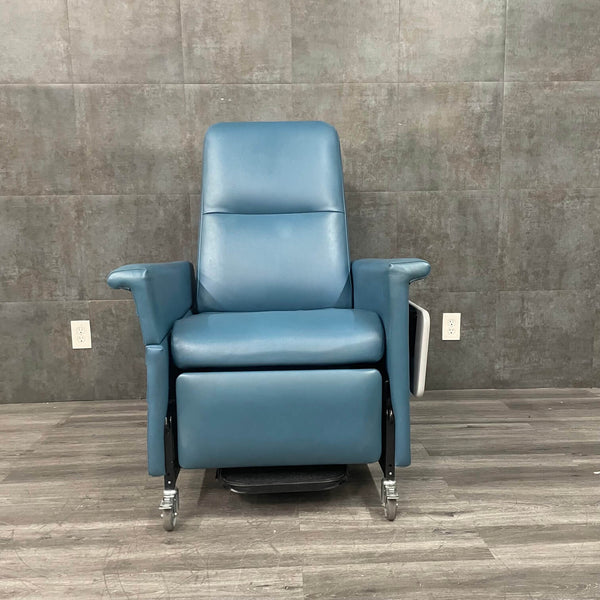
Explore our premium selection of medical recliner chairs designed for patient comfort, safe positioning, and efficient care. Ideal for hospitals, rehabilitation centers, nursing homes, and home healthcare, these recliners provide adjustable positioning, pressure relief, and mobility support for patients with limited mobility or recovering from procedures.
Medical recliners are essential in modern healthcare environments, offering versatile seating that improves patient comfort, supports clinical procedures, and enhances caregiver efficiency.
Key Benefits of Medical Recliners
- Enhanced Patient Comfort: Adjustable recline positions reduce pain and improve comfort during long sitting periods
- Pressure Relief: Helps prevent pressure sores and improve circulation
- Improved Patient Mobility: Supports safe repositioning and movement
- Caregiver Efficiency: Simplifies patient handling and reduces physical strain
- Multi-Purpose Use: Ideal for recovery, infusion therapy, dialysis, and long-term care
- Infection Control Ready: Easy-to-clean medical-grade materials support hygiene standards
Medical recliners provide customizable positioning that supports recovery, reduces discomfort, and improves patient outcomes in clinical environments.
Common Uses for Medical Recliners
- Post-surgery recovery and patient monitoring
- Dialysis and infusion therapy sessions
- Long-term care and assisted living support
- Home healthcare and elderly care
- Patient rest, observation, and treatment positioning
These recliners are widely used in hospitals, clinics, and home settings to support extended sitting, treatment, and recovery needs.
Key Features to Consider
When evaluating medical recliner chairs for your facility, pay attention to the following features:
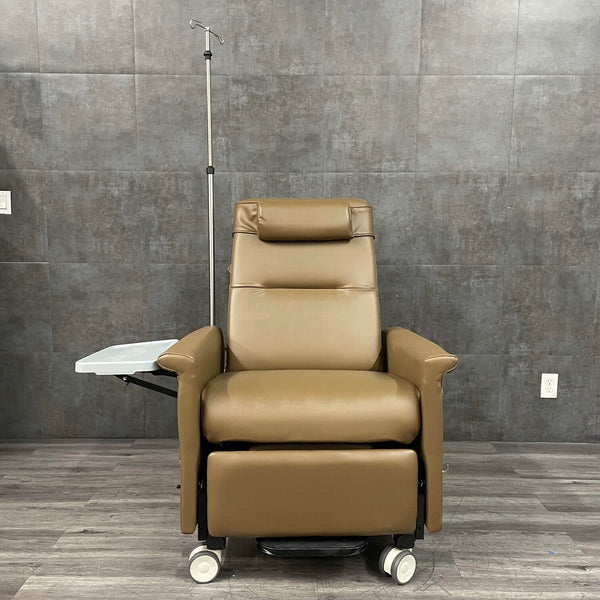
- Adjustable Positioning: Models should offer multiple reclining angles from upright to lay‑flat or zero‑gravity and, ideally, Trendelenburg. Some chairs, like our Champion Ascent clinical recliner and Champion 86P Clinical Recliner, use gas‑assist or motorized controls so patients can reposition themselves easily.
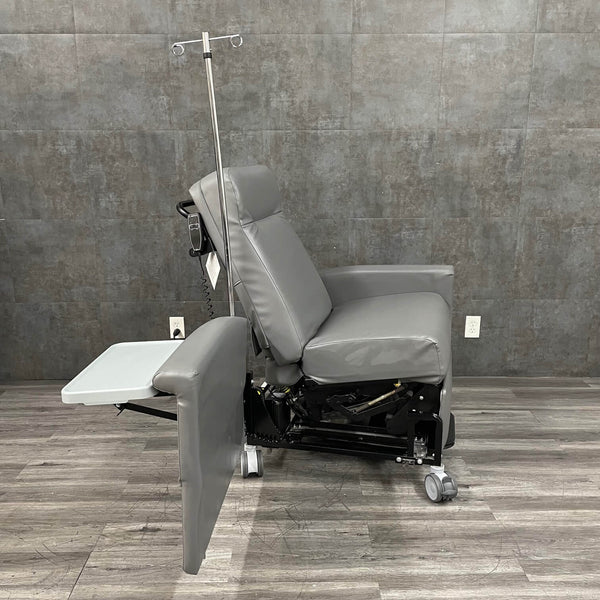
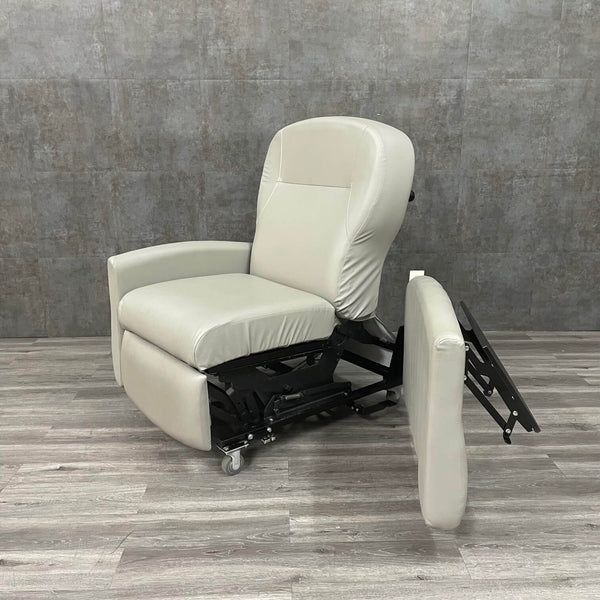
- Ergonomic Design: Padded armrests, contoured seats, and ADA‑compliant heights reduce strain on joints. Our chairs often include removable leg rests and swing‑away arms to allow side transfers and easy access. The difference between care chairs and riser recliners care chairs provide more postural support and tilt‑in‑space features underscores the importance of ergonomics.
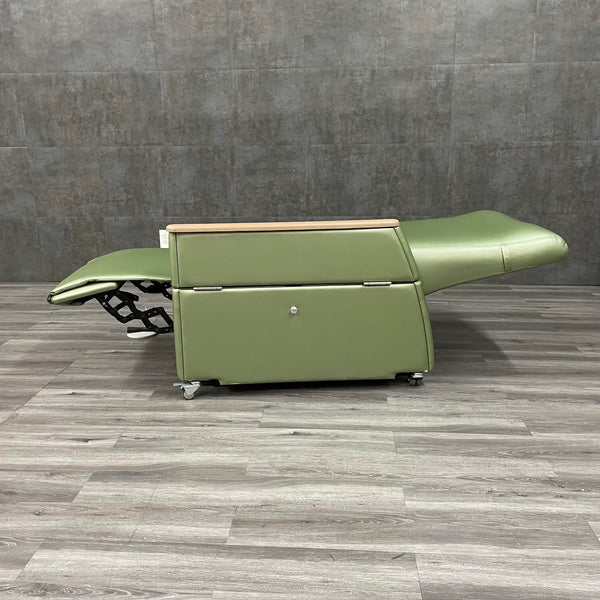
- Durable, Hygienic Upholstery: Medical recliners are exposed to spills and bodily fluids. We use non‑permeable vinyl or coated fabrics that resist stains and can be wiped clean quickly. Models like the Champion 66P Clinical Recliner and IOA Eva Sleeper mobile recliner feature removable cushions for thorough cleaning.
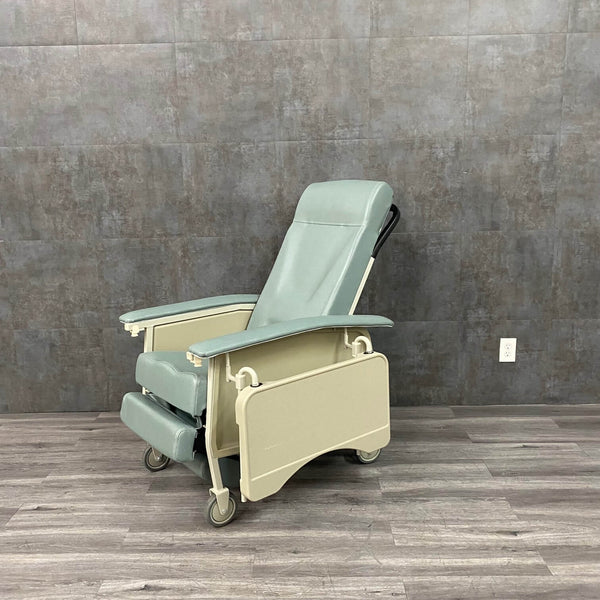
- Mobility and Footprint: Look for recliners with 360° swivel or directional casters, push handles and small footprints to fit tight exam rooms. The Invacare Deluxe 3 Position Recliner and Champion Continuum Clinical Recliner offer locking casters and slim profiles. Swing‑away arms simplify patient transfers.
- Accessories and Safety Features: Integrated IV pole mounts, fold‑away trays, cup holders and utility shelves keep equipment within reach and minimize clutter. Some models include heated cushions or massage functions for extra comfort. For bariatric patients, choose a recliner with reinforced frames and higher weight capacities Our heavy-duty infusion chair recliner with IV pole is one example.
- Support equipment: To create a complete treatment station, you may need related equipment. Browse our syringe pumps, IV poles and exam table to complement your recliners. Don’t forget essential supplies like medical gloves to maintain infection control.
Typical Specifications
| Weight Capacity | 250 – 700 lbs (model dependent) |
| Seat Width | 16” – 28” |
| Recline Positions | 3-position to infinite recline |
| Tilt Capability | Up to ~30° tilt-in-space (varies) |
| Mobility | Locking and steering casters |
| Material | Medical-grade vinyl or antimicrobial fabric |
Choosing the right type depends on the care setting and patient population. Our exam & procedure chairs and exam tables can complement recliners by providing supportive surfaces for exams and minor procedures. Because comfort and safety go hand‑in‑hand, many facilities pair recliners with infusion pumps and infiltration pumps to create efficient treatment stations.
Types of Medical Recliner Chairs
Clinical recliners are not one‑size‑fits‑all. Facilities use different styles depending on patient needs and care environments:
|
Type |
Description |
|
Treatment Recliners |
Versatile chairs used for infusion therapy, chemotherapy, dialysis and recovery. They feature adjustable backs/leg rests, swing‑away arms for vascular access and optional Trendelenburg positioning (elevating the feet above the head) for emergencies. |
|
Long‑term/Senior Living Recliners |
Designed for residents of nursing homes or senior‑care facilities. They prioritize comfort, pressure relief and easy mobility to help caregivers reposition residents safely. |
|
Patient‑Room Recliners |
Multi‑purpose chairs used in hospital rooms to encourage patients to sit out of bed and improve mobility; many convert into sleeper chairs for visitors or overnight stays. |
|
Trendelenburg/Bariatric Recliners |
Special models capable of lay‑flat or Trendelenburg positions and high weight capacities for bariatric patients; they provide extra support and stability. |
|
Pediatric Recliners |
Scaled‑down chairs for children requiring infusion or medical treatments; they often incorporate child‑friendly colors and safety restraints. |
Why Choose Angelus Medical?
Angelus Medical and Optical Equipment has been serving healthcare providers across the USA for more than 45 years. As a family‑owned business, we take pride in offering personalized service and a wide selection of new and refurbished medical recliners from leading brands like Champion and IOA. Our chairs are inspected and tested to ensure reliability and safety. Whether you need a single chair or are outfitting an entire facility, we can provide financing options, delivery, and on‑site setup.
Beyond recliners, our catalog includes vital equipment such as infusion pumps, syringe pumps, exam chairs and IV poles. This comprehensive approach simplifies procurement and ensures compatibility across devices. When you partner with Angelus Medical, you receive more than equipment you gain a trusted advisor dedicated to improving patient care.
Frequently Asked Questions
1. What is a medical recliner used for?
Medical recliners are used for patient seating, recovery, treatment positioning, and long-term care support.
2. Are medical recliners suitable for home use?
Yes, many models are designed for both clinical environments and home healthcare.
3. What is the benefit of tilt-in-space?
It helps redistribute pressure, improve circulation, and enhance patient comfort.
4. Do medical recliners help prevent pressure sores?
Yes, adjustable positioning and pressure redistribution features help reduce skin breakdown risk.
5. Can caregivers easily move these chairs?
Yes, most models include lockable casters for easy transport and stability.
6. What weight capacities are available?
Standard recliners support 250–400 lbs, while bariatric models can support up to 700 lbs.
7. Are they easy to clean?
Yes, they are built with medical-grade materials that support infection control protocols.
8. What settings are they commonly used in?
Hospitals, rehab centers, dialysis clinics, nursing homes, and home care settings.
Shop Medical Recliners
Browse our curated collection of high-quality medical recliners designed for safety, comfort, and long-term durability.
📞 Need help choosing the right recliner? Contact our team for expert guidance and personalized recommendations.