

Medical Gas Flowmeters for Oxygen, Air & Sedation | Angelus Medical (Gardena, CA)
Buy Medical Gas Flowmeters in Southern California—Oxygen, Medical Air & Specialty Ranges
When clinicians prescribe oxygen therapy or facilities standardize wall outlet accessories, a reliable medical gas flowmeter becomes a patient‑care essential. Flowmeters are designed to measure and regulate gas flow—typically in liters per minute (LPM)—and are commonly used across hospitals, outpatient centers, physician offices, and procedure rooms.
Need to standardize flowmeters across multiple rooms or sites in Los Angeles and Southern California? Use this collection to match gas type, flow range, and outlet compatibility—then request a facility quote for consistent stocking across departments
At Angelus Medical & Optical, you can shop medical equipment online or visit our Gardena, CA showroom near Los Angeles for practical sourcing support for clinics and physicians.
Popular Use Cases
- Oxygen therapy delivery for clinical settings where accurate prescribed flow matters
- Medical air delivery for respiratory workflows and compatible clinical devices
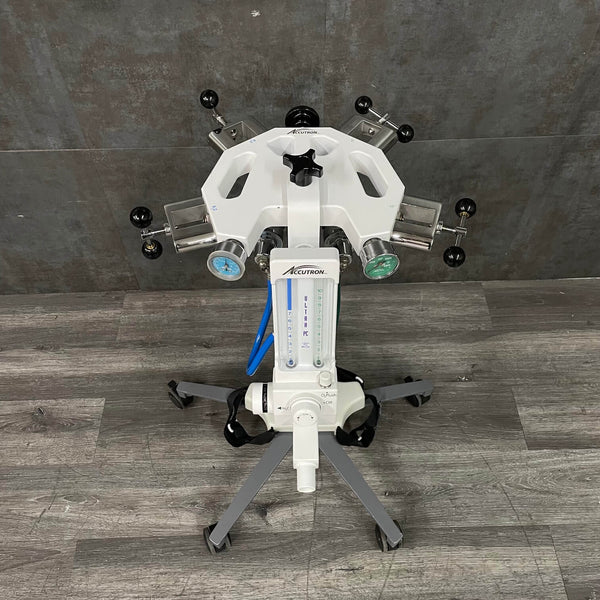
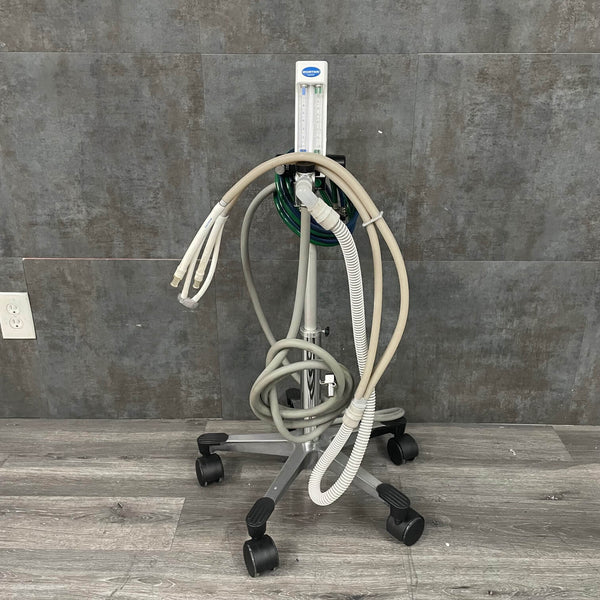
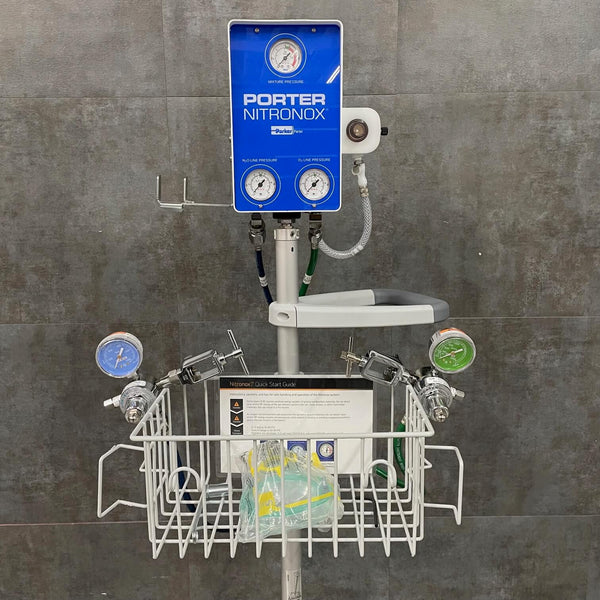
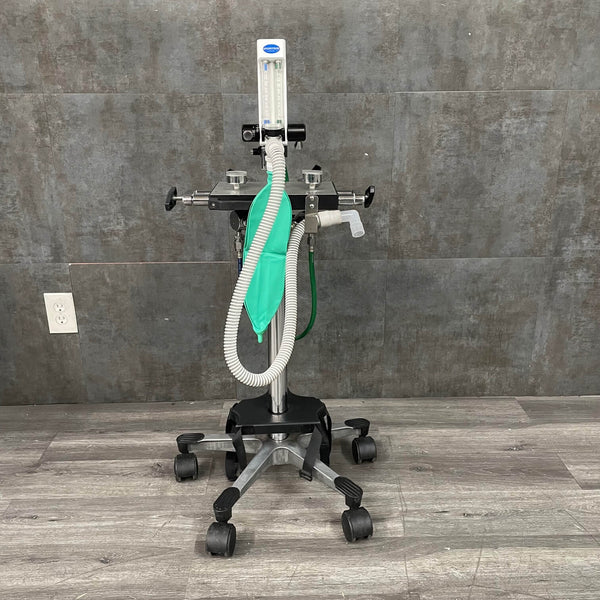
- Dental / sedation applications where oxygen and nitrous oxide are controlled (when applicable to your practice)
- Neonatal/pediatric low‑flow environments that require smaller flow ranges
Flowmeter Types: Thorpe Tube vs Dial (Click) Flowmeters
Choosing the right flowmeter starts with selecting the display and control style.
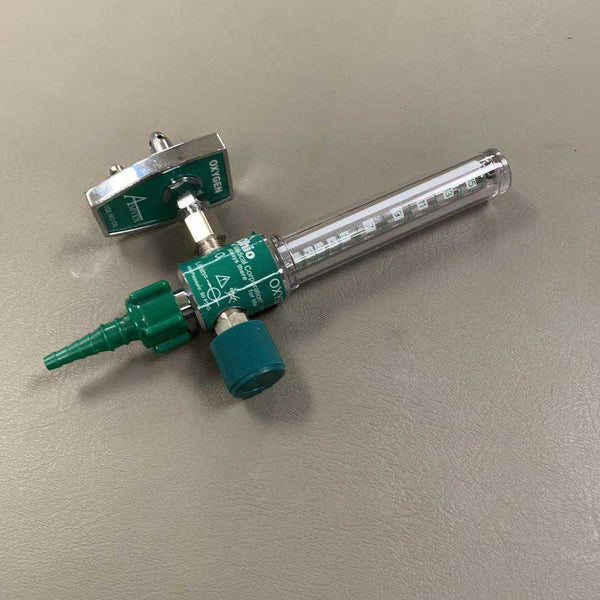
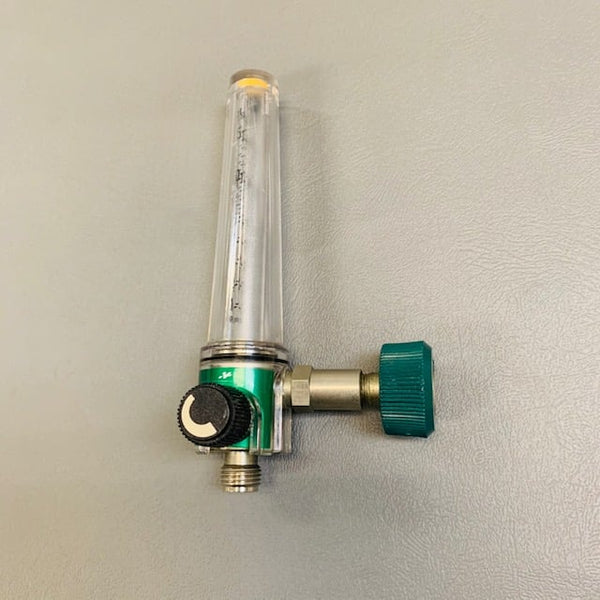
Thorpe Tube Flowmeters (Float/Tube Style)
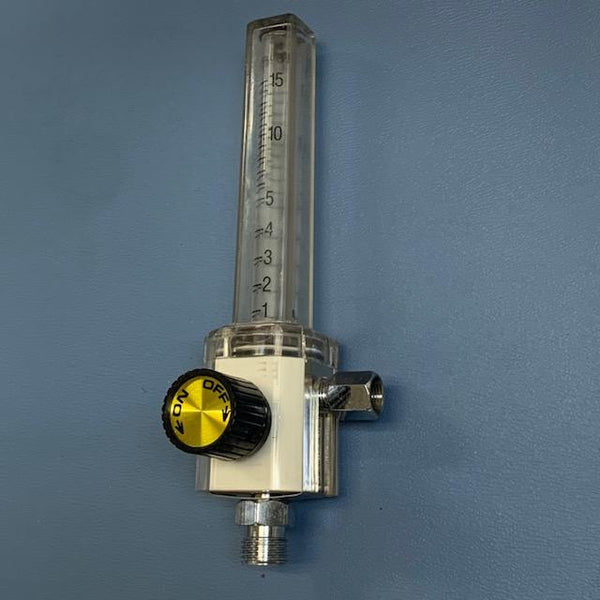
Thorpe style flowmeters show the flow rate via a clear tube and adjustable dial, providing visual confirmation of flow.
Dial (Click) Flowmeters
Dial flowmeters use a compact dial with a windowed reading and are often preferred when space is tight and durability is prioritized.
Key Benefits
1) Accurate, Controlled Gas Delivery
Flowmeters are designed to regulate gas flow in clinical oxygen therapy and other medical gas delivery needs.
2) Matching the Right Flow Range to the Patient Population
Common adult oxygen flowmeter ranges include 0–15 LPM, while pediatric and neonatal applications often require lower flow ranges.
3) Outlet Compatibility Across Facilities
Medical oxygen flowmeters commonly come in multiple wall outlet connection types (e.g., DISS and other standards), and selection should match your facility’s infrastructure.
4) Configuration Options That Simplify the Room Setup
Some suppliers offer configurators and add‑ons—such as dual blocks or specialty configurations—supporting standardization across departments.
Core Features to Look For
When sourcing hospital‑grade medical gas flowmeters, prioritize:
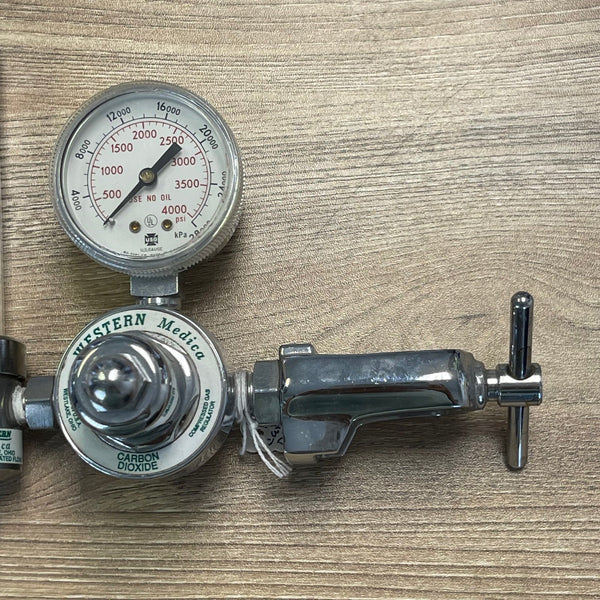
- Correct gas type (oxygen vs medical air vs specialty gas)
- Flow range (adult vs pediatric vs neonatal)
- Connection type compatibility to your wall outlets and facility standard
- Thorpe vs dial style based on clinical workflow and space
- Accessory support (humidifiers, blocks, fittings) depending on your oxygen therapy setup
Essential Equipment Checklist
Use this as a procurement checklist for stocking and standardization:
- Oxygen flowmeter (adult range)
- Medical air flowmeter (department standard)
- Pediatric oxygen flowmeter (low‑flow)
- Neonatal oxygen flowmeter (very low‑flow)
- Flowmeter humidifier bottle (for oxygen delivery setups that require humidification accessories)
- “Christmas tree” outlet nipple/adapters & tubing connectors (common add‑ons for delivery setup
- Y‑block / dual block configurations (where two outputs are required)
- Wall outlet adapters (as needed) to match facility standards
- Spare seals / service parts per your biomed maintenance plan (procurement recommendation; follow OEM requirements)
- Labeling + storage hooks for unit control and fast retrieval (procurement recommendation)
Why Buy Flowmeters from Angelus Medical & Optical
Procurement teams buy from partners who reduce risk and friction. Angelus Medical & Optical positions itself as a long‑standing medical equipment provider, serving physicians and clinics, with a local showroom and online ordering support.
Key buyer reasons to choose Angelus Medical:
- Trusted source since 1946 (longevity matters in capital equipment sourcing)
- Showroom access in Gardena, CA for hands‑on evaluation near Los Angeles
- Medical equipment service orientation (the company highlights equipment service and support)
- Convenient online shopping + support contact options for faster purchasing cycles
Insider Tips & Helpful Hints
These are practical buying insights teams often overlook—useful for reducing returns and standardizing inventory:
- Outlet compatibility is the #1 “hidden” mismatch. Oxygen flowmeters can come in different connection types; confirm the wall outlet standard before ordering to avoid unusable inventory.
- Dial vs Thorpe is often a workflow decision, not a clinical one. Thorpe tube offers quick visual confirmation, while dial can be more compact where space is limited.
- Low‑flow needs are easy to under‑stock. Pediatric and neonatal ranges differ from adult ranges—standardize separate SKUs so you’re not forced into workarounds.
- Integrated flowmeter concepts reduce “missing device” problems. Some integrated designs combine the outlet and flowmeter, helping ensure a flowmeter is always available when needed.
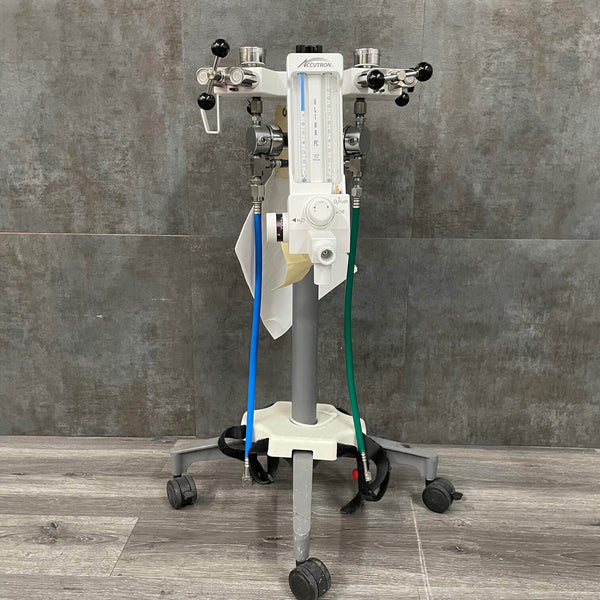
- Sedation flowmeters are a different class. If your practice uses nitrous oxide/oxygen sedation (often dental/oral surgery), those systems have dedicated flowmeter packages and controls; keep them separate from general oxygen therapy SKUs.
(Operational note: Always follow your facility’s biomedical/clinical engineering policies and manufacturer instructions for setup and maintenance.)
Related Collections
- Dental Equipment
- Manual Exam Tables
- Procedure Chairs / Exam Chairs for sale near me
- Dental Exam Chair near me
- Autoclaves / Sterilizers
- Examination Lights
- Crash Carts
- Shipping & Delivery Policy
- Return & Refund Policy
Frequently Asked Questions
Q1: What is a medical gas flowmeter used for?
A: It measures and regulates the flow rate of medical gases—commonly oxygen and medical air—typically in liters per minute (LPM).
Q2: What’s the difference between Thorpe and dial flowmeters?
A: Thorpe style uses a clear tube for visual flow reading; dial style uses a set dial/window reading and is often more compact.
Q3: What is the most common adult oxygen flow range?
A: A commonly referenced adult oxygen flowmeter range is 0–15 LPM.
Q4: Do pediatric and neonatal patients require different flowmeters?
A: Often yes—pediatric and neonatal applications use lower flow ranges than adult devices.
Q5: How do I ensure outlet compatibility?
A: Confirm the connection type used in your facility; oxygen flowmeters are available in multiple wall‑outlet connection types.
Q6: Are medical air flowmeters different from oxygen flowmeters?
A: They are configured for different gas types and facility standards; medical air is commonly supported as a separate application.
Q7: What’s the advantage of seeing the flow in a tube?
A: Thorpe style provides quick visual confirmation of flow, which many clinical teams prefer in certain workflows.
Q8: When is a dial flowmeter a better choice?
A: Dial units are often selected when space is limited and a compact design is preferred.
Q9: Do flowmeters support accessories like humidifiers?
A: Accessory add‑ons such as humidifiers are commonly referenced for oxygen delivery setups.
Q10: Are there flowmeters designed for sedation systems?
A: Yes—dental/oral surgery nitrous oxide packages use dedicated flowmeters designed for oxygen and nitrous oxide control.
Q11: Can flowmeters be wall‑mounted or portable?
A: Both exist; the category includes formats suited to fixed pipeline outlets and portable applications depending on facility needs.
Q12: Why do procurement teams standardize flowmeter SKUs?
A: Standardization reduces mismatched connections, simplifies training, and streamlines replenishment (procurement best practice).
Q13: What is an integrated flowmeter?
A: It combines a flowmeter and a medical gas outlet into one compact unit, intended to reduce lost or damaged standalone devices and save space.
Q14: Where is Angelus Medical & Optical located?
A: Angelus Medical & Optical lists its showroom address in Gardena, CA and invites customers to visit or shop online.
Q15: Why choose Angelus Medical & Optical for sourcing?
A: The company presents itself as a long‑standing provider serving physicians and clinics, offering a local showroom and online ordering support.