Skip to content



Summarize content with


The Brazilian Butt Lift (BBL) has become one of the most sought‑after body‑contouring procedures in modern cosmetic surgery. Despite the name, a BBL doesn’t “lift” the skin in the way a traditional buttock lift does. Instead, it augments the shape and volume of the buttocks by transferring fat from other parts of the body. According to the Cleveland Clinic, surgeons remove fat using liposuction, purify it and then inject it into the upper buttocks to improve contour and add volume. The operation can give long‑lasting results when patients maintain a stable weight.
How a BBL Is Performed?
- Liposuction and fat harvest. During a BBL, the patient is placed under general or intravenous anesthesia. Surgeons harvest excess fat from donor areas such as the lower back, abdomen, flanks or thighs. A cannula and suction device remove fat through small incisions. Many providers first deliver large volumes of tumescent solution (saline mixed with anesthetic and epinephrine) using an infiltration pump. This infiltration fluid helps minimize bleeding and facilitates fat removal; Angelus Medical offers several models, including the KMI 1000‑0031 Surgical Infiltration Pump, which supplies controlled, continuous flow for tumescent anesthesia.
- Purification of harvested fat. Once harvested, the fat is purified to remove blood, oil and other fluids. Surgeons strain or centrifuge the fat so only healthy fat cells remain for transfer. Using sterile equipment such as an autoclave ensures that all cannulas and tubing are properly sterilized before reinjection.
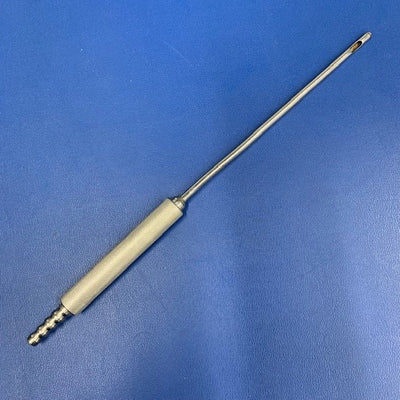
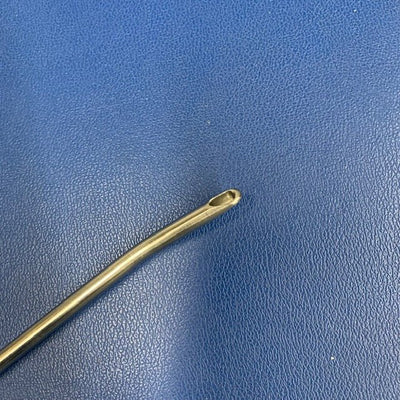
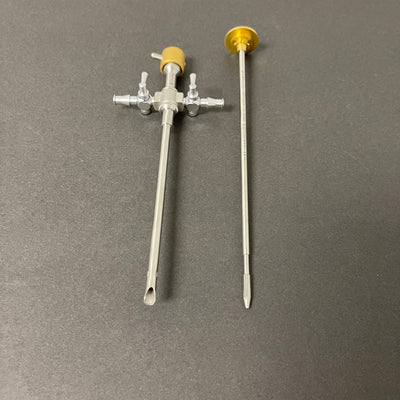
- Fat reinjection into the buttocks. After purification, surgeons inject the fat back into the buttocks. The procedure requires multiple passes of a blunt‑tip cannula to create even layers. Experts emphasise injecting fat only into the subcutaneous tissue (the fat layer under the skin) and not deep into the gluteal muscle. The American Board of Cosmetic Surgery advises using blunt‑tip cannulas and angling them upward to keep the injection in the safe subcutaneous plane. Ultrasound guidance can help surgeons visualize the layers during injection. Angelus Medical offers a variety of cannulas, including the Triport liposuction cannula (25 × 3 mm), which features multiple openings for even fat distribution. Some surgeons also use infiltration cannulas and needles, which are thin, flexible tubes with blunt tips. These specialized instruments distribute fluids evenly while minimizing damage to blood vessels and nerves.
- Wound closure and dressing. After fat transfer, surgeons close the tiny incisions with sutures or adhesive strips. A compression garment is applied to reduce swelling and support the new shape. High‑quality garments and post‑operative supplies can be found through medical equipment providers such as Angelus Medical.
Who Is a Good Candidate for a BBL?
Not everyone is an ideal candidate for Brazilian butt lift surgery. Suitable candidates usually meet the following criteria:
- Finished physical development and overall good health. The Cleveland Clinic notes that candidates should be in good physical health, have stable body weight and realistic expectations. They must also be nonsmokers or willing to stop smoking before and after surgery.
- Adequate fat reserves. Patients need enough excess fat in donor areas to harvest for transfer. Very lean individuals may need to gain weight or consider alternative buttock augmentation procedures.
- Willingness to follow aftercare instructions. Adhering to recovery guidelines such as wearing compression garments, using a special BBL pillow and avoiding prolonged sitting is critical for graft survival and contouring. If you’re unsure how to monitor your recovery vitals, read Angelus Medical’s blog on how to read a blood pressure cuff.
Benefits of BBL Surgery
Many patients choose a BBL because it offers benefits beyond a simple buttock implant:
- Natural‑looking enhancement. Transferring your own fat creates a softer and more natural feel than implants. When the procedure is performed correctly, results can last for many years.
- Body contouring. Removing fat from the abdomen, flanks, or thighs improves waistline definition and enhances hourglass proportions. Using a high‑powered liposuction aspirator such as the Grams S‑300 liposuction machine allows surgeons to efficiently remove fat while minimizing trauma.
- Lower complication rate than implants. There is no risk of implant rupture or capsular contracture with a fat transfer. However, the procedure still carries serious risks (see below).
- Dual body sculpting. BBL surgery simultaneously slims areas where fat is unwanted and enhances the buttocks. For donors with large volumes of fat, a robust aspirator like the Wells Johnson Hercules liposuction machine can help extract fat quickly.
Risks and Safety Considerations
While BBL surgery can deliver dramatic results, it is also associated with some of the highest fatality rates among cosmetic procedures. The main risks include:
- Fat embolism. Injecting fat into or below the gluteal muscles can send fat into large veins, leading to pulmonary fat embolism and even death. For this reason, surgeons must stay within the subcutaneous fat layer and use blunt‑tip cannulas or infiltration cannulas and needles that reduce the risk of vessel penetration.
- Infection or bruising. Any surgical procedure carries a risk of infection, bleeding or hematoma. Proper sterile technique including the use of autoclaved instruments and single‑use cannulas or needles is essential. Angelus Medical’s Byron Econ II Variflow pump features a quick‑release cover and dual‑impeller yoke for easy cleaning and helps maintain sterile fluid delivery during infiltration.
- Contour irregularities. Over‑ or under‑correction, fat necrosis or uneven fat distribution can result in asymmetric buttocks or lumps. Using cannulas with multiple side ports like the Triport cannula helps distribute fat evenly.
- Prolonged recovery or discomfort. Patients may experience swelling, soreness and temporary numbness. Wearing compression garments and avoiding sitting directly on the buttocks for 2-3 weeks can reduce complications.
Because of these risks, many professional associations and surgeons emphasize that BBLs should only be performed by board‑certified surgeons in accredited facilities. Dr. Matthew Schulman stresses that choosing a qualified surgeon, not prioritizing price over safety, and carefully following aftercare instructions reduces complications. The American Board of Cosmetic Surgery recommends verifying that your surgeon has experience in BBLs, uses ultrasound guidance, and operates in a facility with appropriate emergency equipment.
Recovery and Aftercare
A typical BBL recovery follows several stages:
- Immediate post‑operative period (first two weeks). Patients wear compression garments continuously and must avoid sitting or lying directly on the buttocks. They may rest on their stomach or side and should use a specially designed BBL pillow when necessary. Light walking is encouraged to improve circulation.
- Early healing (weeks 2-6). Swelling and bruising gradually subside. Patients can slowly resume everyday activities while continuing to avoid pressure on the buttocks. The Wells Johnson infiltration pump and similar devices deliver fluids at controlled rates during surgery, helping reduce postoperative swelling.
- Full recovery (months 2-3). By six to eight weeks, most patients can sit normally. Final results become apparent as the transferred fat cells stabilize. Maintaining a steady weight through balanced nutrition and exercise helps preserve the contour. For guidance on general medical equipment used in airway management during sedation, see Angelus Medical’s posts on how laryngoscopes work and types of laryngoscopes.
Choosing the Right Surgeon and Facility
BBL surgery is complex and should not be taken lightly. Experts advise doing the following when selecting a surgeon and clinic:
- Verify certification and experience. The American Board of Cosmetic Surgery suggests confirming that your surgeon is board certified, has specific BBL training and performs the procedure regularly. Surgeons who use ultrasound‑guided fat transfer and avoid intramuscular injections have lower complication rates.
- Confirm an accredited facility. Procedures should be performed in accredited surgical centers or hospitals equipped for emergencies. Look for places that use reliable suction devices such as the Wells Johnson Hercules liposuction machine and maintain sterile conditions with autoclaves.
- Discuss equipment and safety protocols. Ask your surgeon about the pumps, cannulas and monitoring devices used. Modern infiltration pumps like the HK Surgical Klein infiltration pump allow precise control of tumescent solution flow, and high‑quality liposuction machines help minimize tissue trauma. Understanding these details will help you make informed decisions.
- Review pre‑operative evaluation. Comprehensive pre‑operative exams include checking vital signs, airway assessment and sometimes reviewing general health conditions. Angelus Medical’s blog posts about phoropters and vision problems highlight how other diagnostic tools are used in medical practice and underscore the importance of thorough patient evaluation.
Key Equipment Used in BBL Surgery
Several specialized devices make BBL surgery possible:
|
Equipment |
Role in BBL |
Angelus Medical Example |
|
Infiltration pumps |
Deliver large volumes of diluted anesthetic (tumescent fluid) into donor areas to reduce pain and bleeding |
|
|
Liposuction aspirators |
Generate suction to remove fat from donor areas; must be powerful and reliable |
Liposuction pumps or systems, Grams S‑300 liposuction machine, Wells Johnson Hercules liposuction machine |
|
Cannulas |
Thin tubes used to extract fat and inject purified fat; blunt‑tip designs reduce risk of vessel injury |
Triport liposuction cannula, Infiltration cannulas and needles |
|
Sterilization equipment |
Autoclaves and sterilizers ensure that instruments are free from pathogens before surgery |
|
|
Monitoring devices |
Blood pressure monitors, pulse oximeters and airway equipment help anesthesiologists track patient vitals |
Using high‑quality equipment contributes significantly to safety. Infiltration pumps with adjustable flow and pressure settings allow controlled infusion of fluid, minimizing tissue trauma. Cannulas with blunt, rounded tips distribute fat evenly and reduce the risk of injuring blood vessels. Aspiration machines with powerful motors deliver consistent suction for efficient fat harvest.
Final Thoughts
Brazilian butt lift surgery can transform a patient’s figure by utilizing their own fat to sculpt fuller, more rounded buttocks while enhancing overall body proportions. However, it is not a simple procedure; it requires careful planning, a qualified surgeon, and appropriate equipment. Patients must understand the risks, particularly fat embolism and infection and follow strict aftercare instructions to ensure the survival of the grafted fat and to minimize complications.
Selecting an experienced, board‑certified surgeon who uses safe techniques and quality instruments is critical. Angelus Medical is proud to support surgical teams with reliable infiltration pumps, liposuction machines, cannulas, and sterilization equipment that help make procedures safer and more efficient. By approaching BBL surgery with realistic expectations and prioritizing safety, patients can achieve natural‑looking results that enhance their confidence and quality of life.
Recommended Solutions