

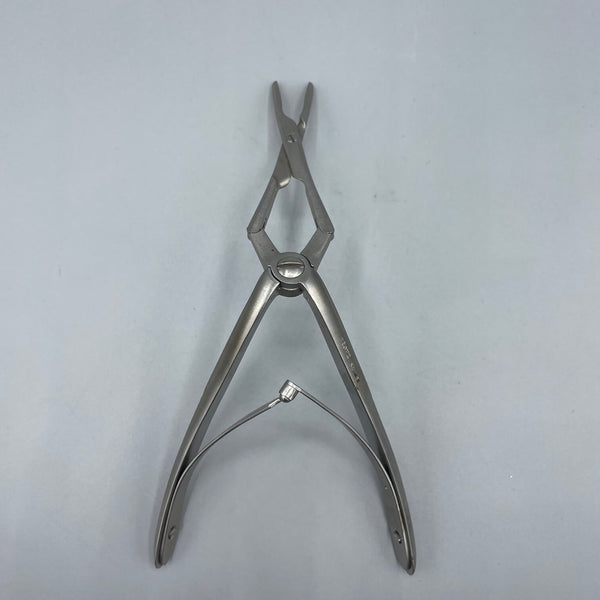
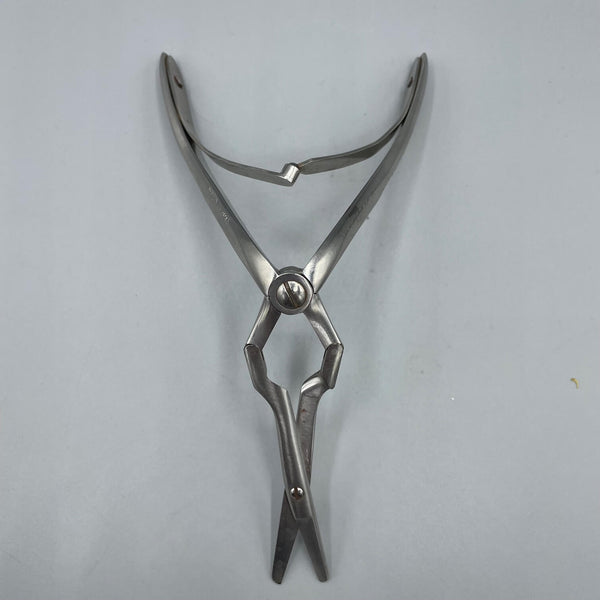

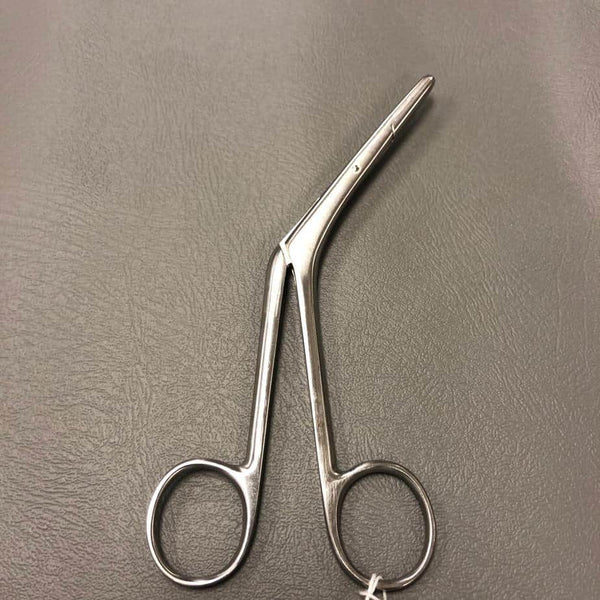

Collection of Septum Instruments
Septum instruments are specialized surgical tools used in nasal and ENT (Ear, Nose, and Throat) procedures, particularly for septoplasty and rhinoplasty. These instruments help surgeons reshape, elevate, dissect, and manipulate the nasal septum and surrounding tissues with precision.
Common Septum Instruments
- Septum Scissors – Used for cutting and reshaping cartilage.
- Cottle Septum Elevator – Helps lift and reposition the nasal septum.
- Freers Double-Ended Elevator – Used for separating nasal bone and tissue.
- Thudicum Nasal Speculum – Provides visibility and access to the septum.
- Septum Forceps – Used for grasping and holding nasal tissues.
- Osteotomes & Chisels – Used for bone reshaping in nasal surgeries.
Usage & Benefits
- Precise Tissue Manipulation – Ensures minimal trauma during surgery.
- Enhanced Visibility – Instruments like nasal speculums improve access.
- Durability – Made from high-quality stainless steel for long-term use.
- Ergonomic Design – Provides comfort and control for surgeons.
- Autoclavable & Reusable – Designed for repeated sterilization.
Septum Scissors are precision surgical instruments designed for nasal procedures, particularly septoplasty and rhinoplasty. They are crafted from high-quality surgical-grade stainless steel and feature double-action serrated blades for enhanced grip and control during delicate tissue dissection.
Septum Scissors are commonly used by ENT surgeons and plastic surgeons for:
- Septoplasty: Reshaping and trimming the nasal septum.
- Rhinoplasty: Precision cutting and dissection of nasal tissues.
- Minimizing tissue trauma during surgery.
- Efficient cartilage manipulation in nasal procedures.
Benefits
- High Precision: Serrated blades ensure a secure grip on tissues.
- Durability: Made from premium German stainless steel for long-lasting performance.
- Double-Action Mechanism: Provides smooth and controlled cutting.
- Autoclavable & Reusable: Designed for frequent sterilization.
- Ergonomic Design: Offers comfortable handling for surgeons.
Key Features
| Feature | Description |
|---|---|
| Blade Design | Double-action, serrated for dense cartilage |
| Handle | Angled with additional struts for reduced strain |
| Length | 7-1/8" (18.1 cm) or 7-3/4" (19.7 cm) depending on the model |
| Material | Corrosion-resistant stainless steel |
| Sterilization | Fully autoclavable for repeated use |
| Application | Ideal for precise septal surgery |
Frequently Asked Questions (FAQs)
-
What is the primary use of Septum Scissors?
They are used for septoplasty and nasal tissue dissection. -
Are these scissors suitable for rhinoplasty?
Yes, they are commonly used in rhinoplasty procedures. -
What material are they made from?
They are crafted from premium surgical-grade stainless steel. -
Do they have serrated blades?
Yes, they feature double-action serrated blades for enhanced grip. -
Can they be sterilized?
Yes, they are fully autoclavable for repeated sterilization. -
Are they reusable?
Yes, they are designed for long-term use. -
What is the length of these scissors?
They measure 7-1/8 inches (18.1 cm) or 7-3/4 inches (19.7 cm) depending on the model. -
Do they have an ergonomic design?
Yes, they feature angled handles for improved comfort and precision. -
Are they used for cartilage manipulation?
Yes, they are designed for efficient cartilage cutting. -
Do they minimize tissue trauma?
Yes, their precision cutting helps reduce tissue damage. -
Are they corrosion-resistant?
Yes, they are made from high-quality stainless steel. -
Do they have a warranty?
Some models come with a lifetime warranty against rust and defects. -
Where can I purchase them?
They are available from medical equipment suppliers like Angelus Medical.