

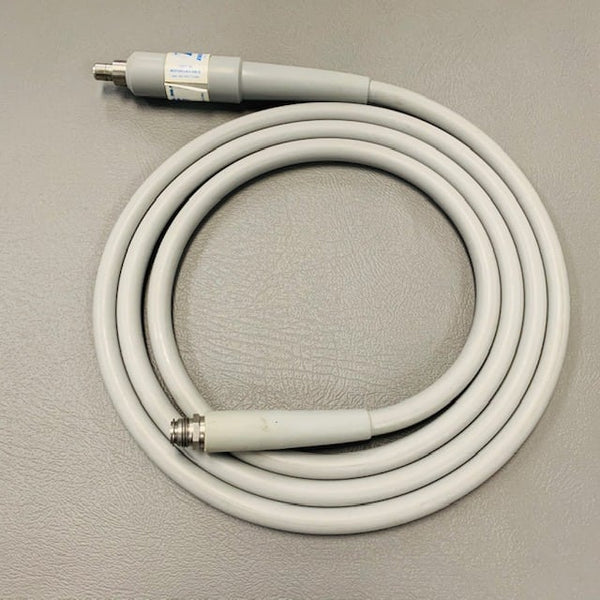
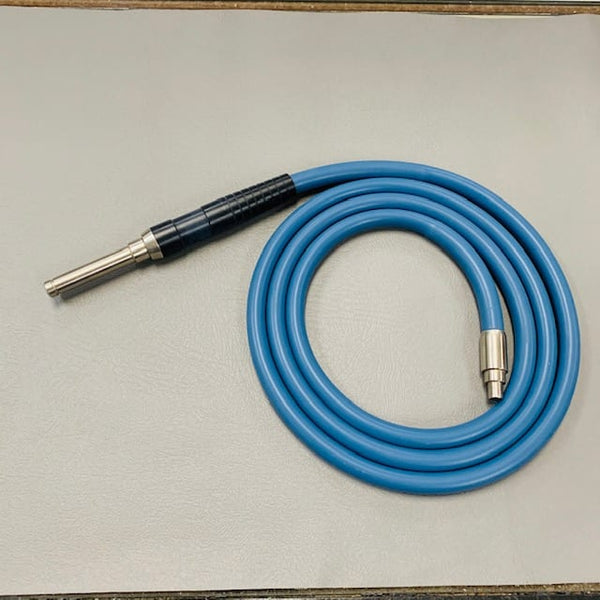
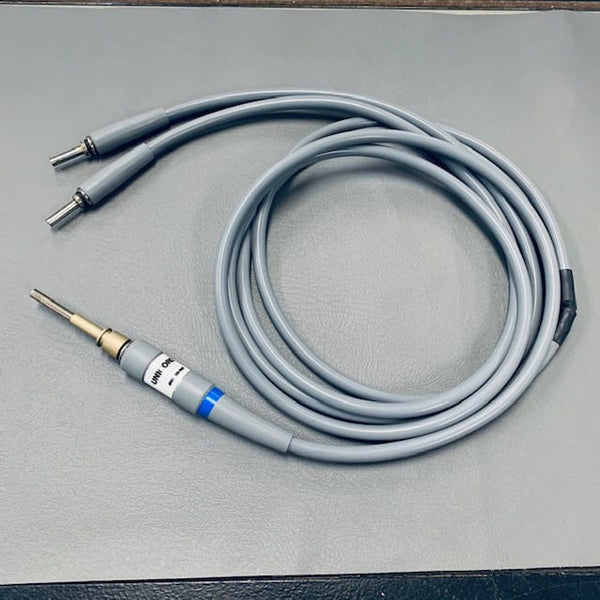
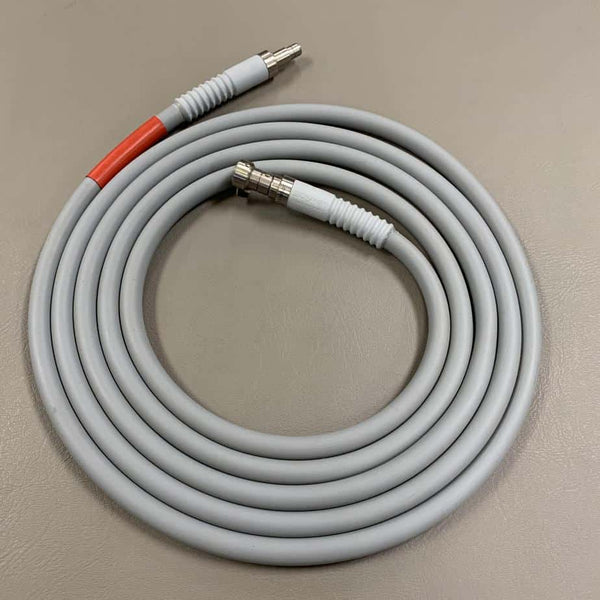
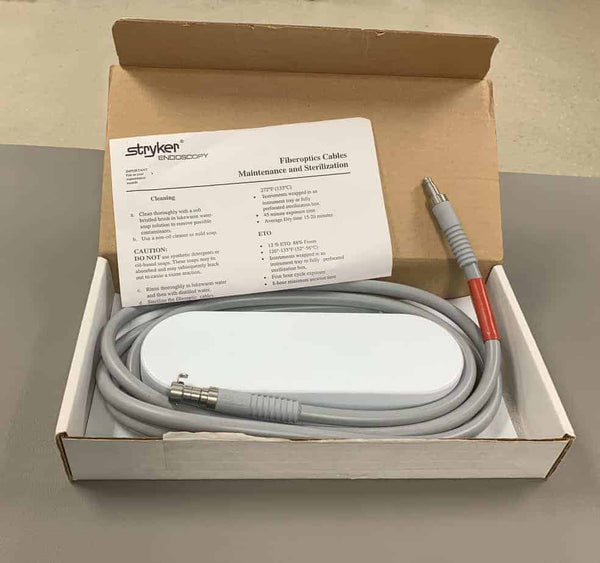
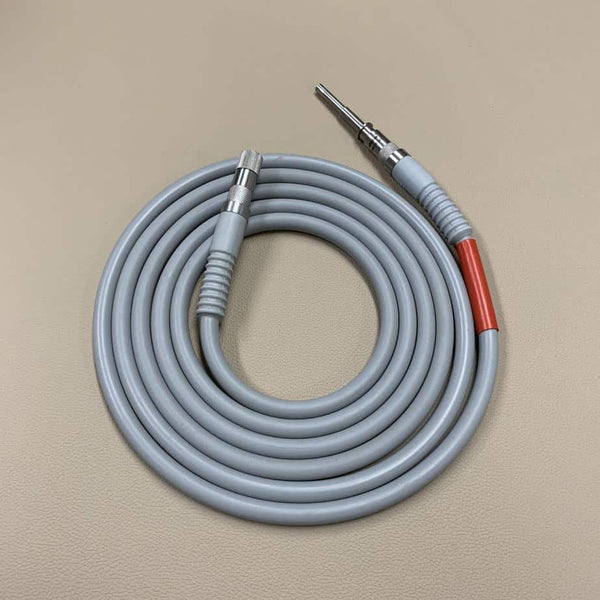
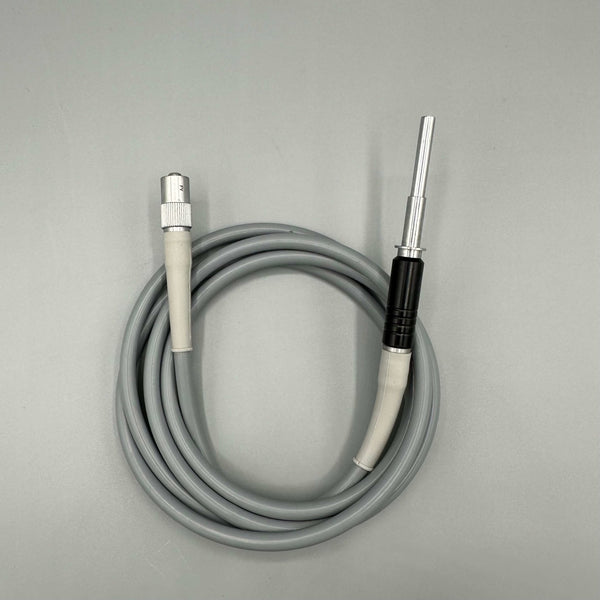
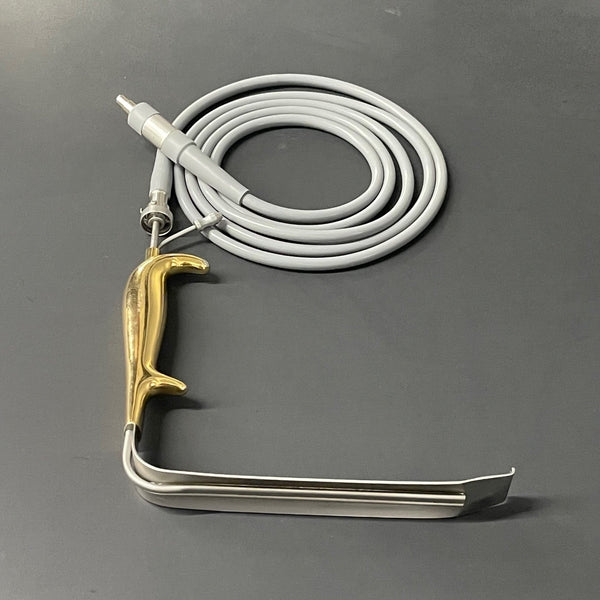
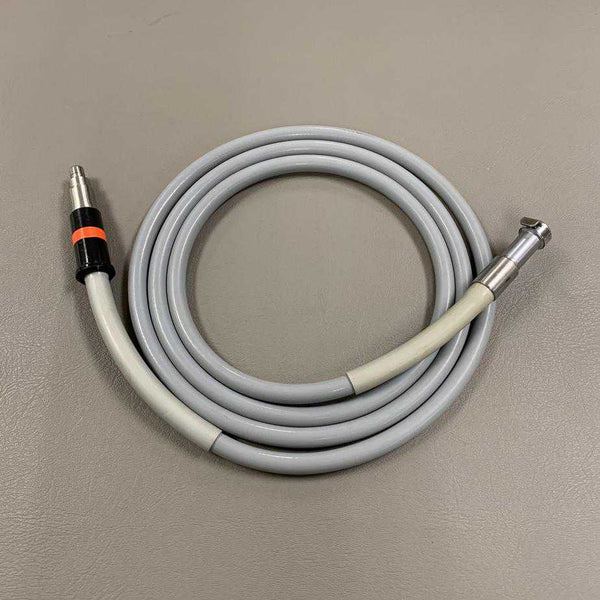
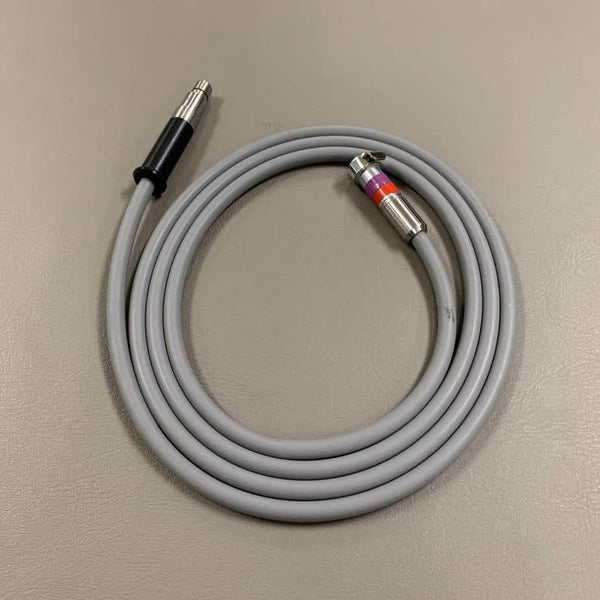
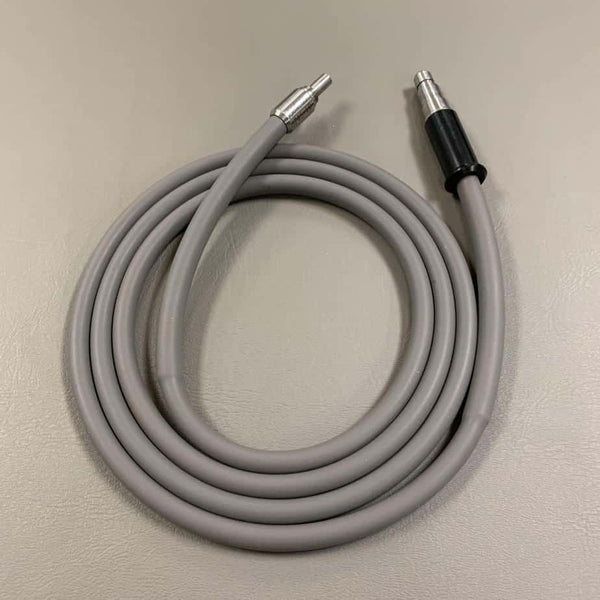
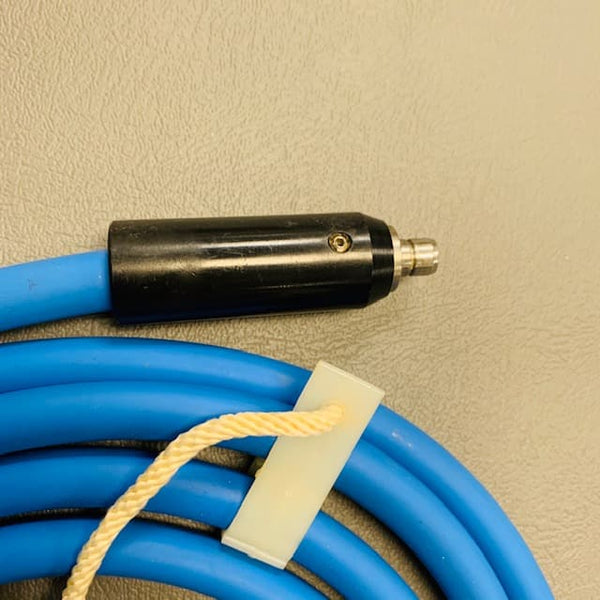
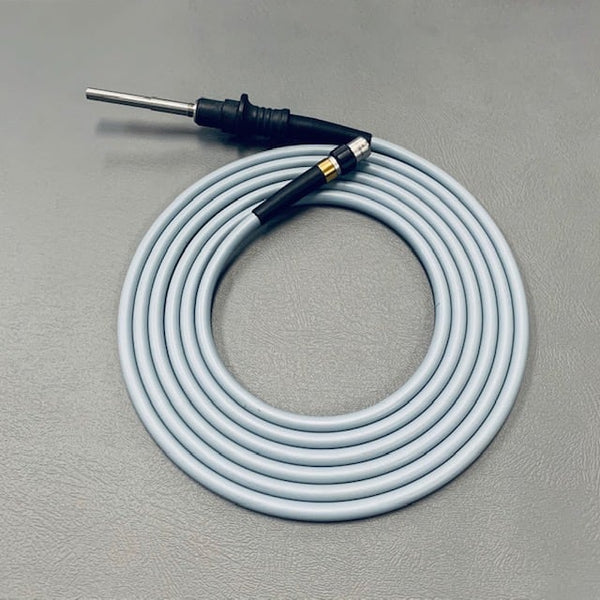
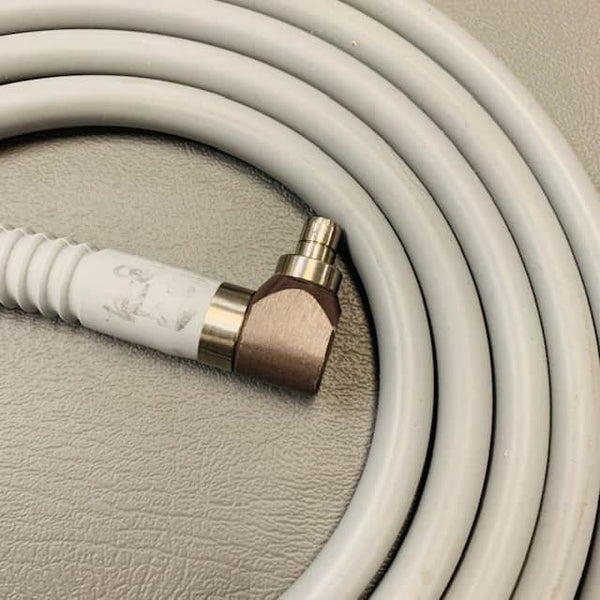
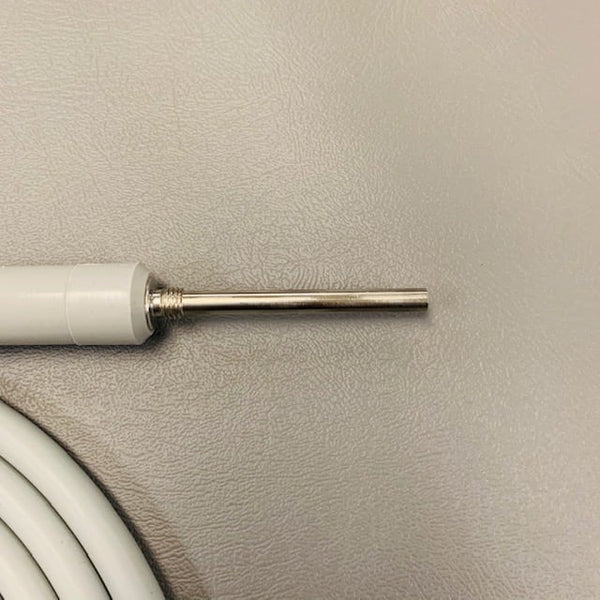
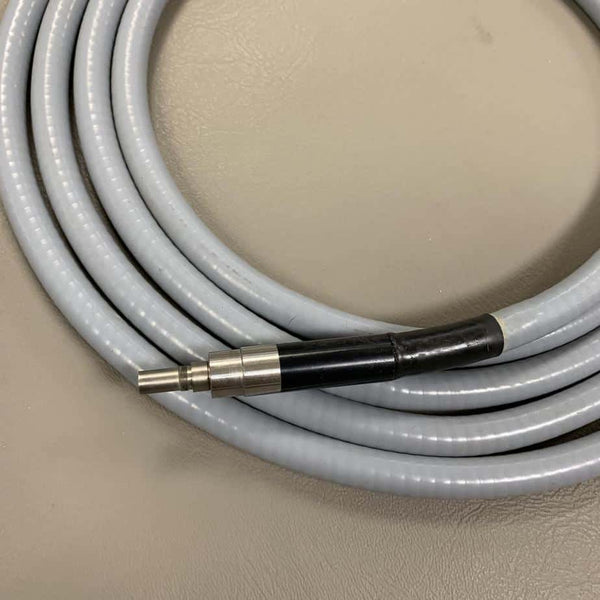
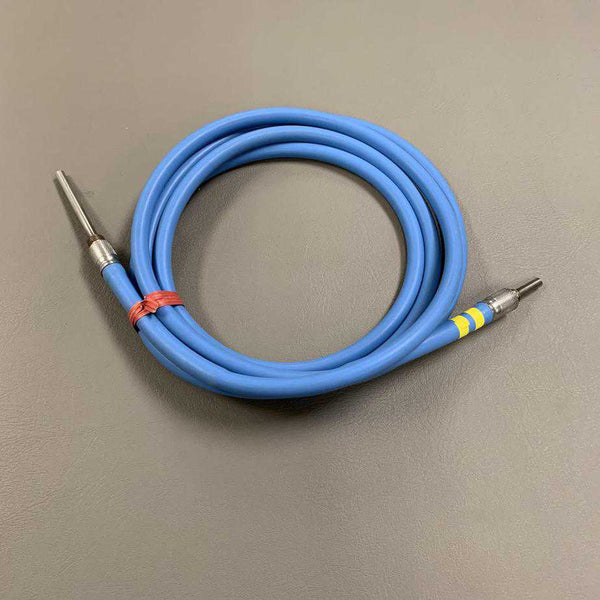
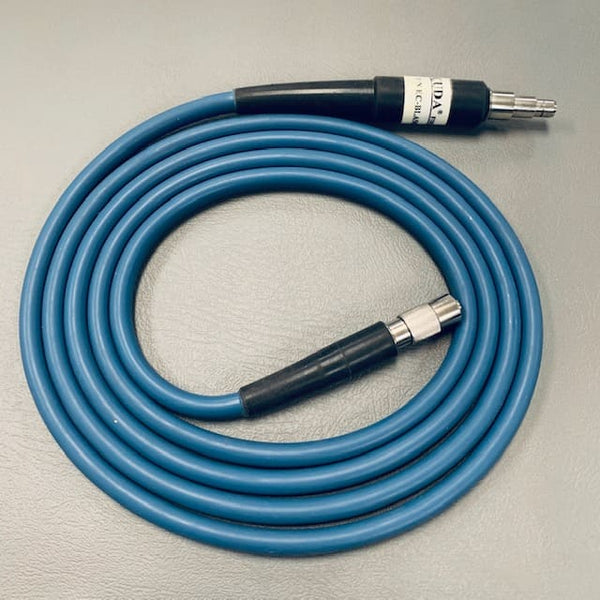
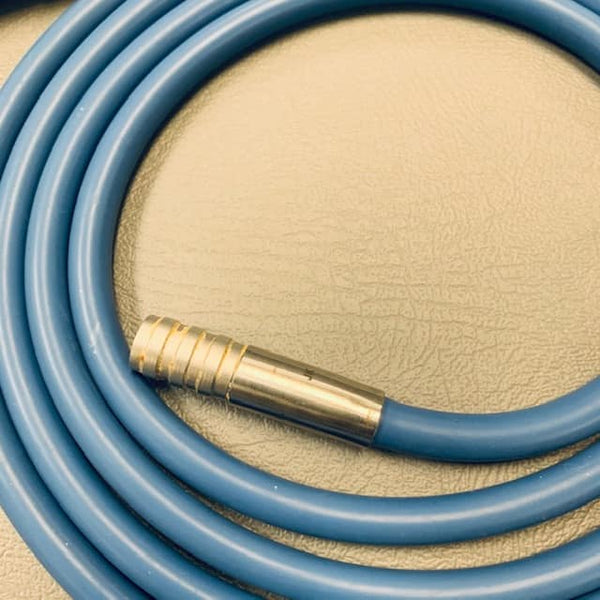
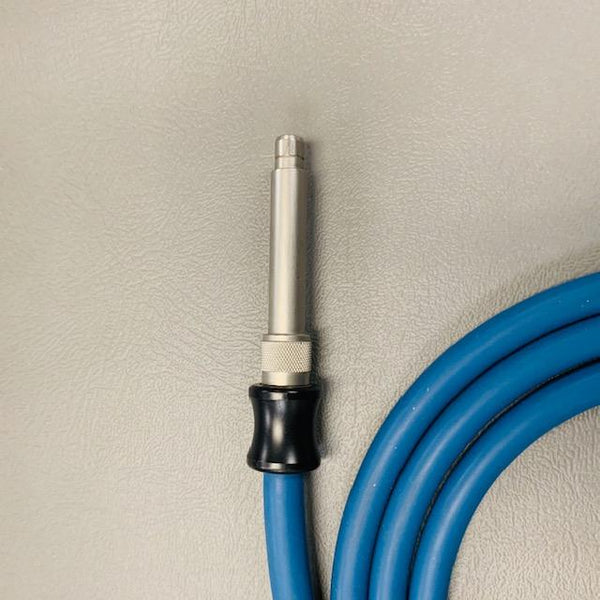
Fiber Optic Cables Collection
Medical fiber optic cables are specialized cables designed to transmit light and data using thin strands of glass or plastic fibers. These cables are engineered to meet the stringent requirements of the healthcare industry, offering high precision, flexibility, and durability. They are widely used in diagnostic imaging, surgical procedures, and medical sensors, enabling minimally invasive techniques and enhancing patient care.
Medical fiber optic cables are utilized in various applications, including:
- Endoscopy: Providing high-resolution imaging for internal organs.
- Minimally Invasive Surgery: Enabling precise surgical interventions with minimal incisions.
- Laser Treatments: Directing laser energy for procedures like tissue cutting and tumor treatment.
- Medical Sensors: Measuring physiological parameters such as temperature, pressure, and chemical levels.
- Neurology: Monitoring brain activity and aiding in delicate brain surgeries.
- Telemedicine: Supporting high-speed data transmission for remote consultations and diagnostics.
Benefits of Fiber Optic Cables in Medical Field
- High Precision: Ensures accurate imaging and data transmission.
- Minimally Invasive: Reduces patient recovery time and risk of infection.
- Durability: Resistant to electromagnetic interference and harsh sterilization processes.
- Versatility: Applicable in various medical fields, from cardiology to oncology.
- Enhanced Patient Comfort: Non-invasive monitoring and diagnostics improve patient experience.
Frequently Asked Questions (FAQs)
- What are medical fiber optic cables made of?
- They are made of glass or plastic fibers encased in protective coatings.
- They are made of glass or plastic fibers encased in protective coatings.
- How do they work?
- They transmit light and data through the principle of total internal reflection.
- They transmit light and data through the principle of total internal reflection.
- What are their primary uses?
- They are used in imaging, surgery, diagnostics, and medical sensors.
- Are they safe for patients?
- Yes, they are biocompatible and designed for medical use.
- Can they be sterilized?
- Yes, they are resistant to sterilization methods like autoclaving.
- What is the lifespan of these cables?
- With proper care, they can last for several years.
- Do they emit radiation?
- No, they use light, not radiation.
- What is the difference between single-mode and multi-mode fibers?
- Single-mode fibers carry a single light ray for long distances, while multi-mode fibers carry multiple rays for shorter distances.
- Can they be used in MRI environments?
- Yes, they are immune to electromagnetic interference.
- What are the advantages over traditional cables?
- They offer higher precision, flexibility, and resistance to interference
- Are they customizable?
- Yes, they can be tailored to specific medical applications.
- What is their role in telemedicine?
- They enable high-speed data transmission for remote diagnostics.
- How are they maintained?
- Regular cleaning and proper handling ensure longevity.
- What are the challenges in using them?
- High initial costs and the need for specialized handling.
- What advancements are expected in this field?
- Innovations in biocompatible materials and integration with AI for enhanced diagnostics.