

Certified Bio-Safety Cabinets Collection: Class I, II, & III for Medical Labs
Immediate Containment Solutions: Fully Certified Biosafety Cabinets for Rapid Deployment
The Gold Standard: Class II Type A2 & B2 Cabinets for BSL-2 and BSL-3 Environments
Value-Driven Procurement: Trusted, Certified BSCs with Comprehensive Warranty for Labs in Los Angeles & California
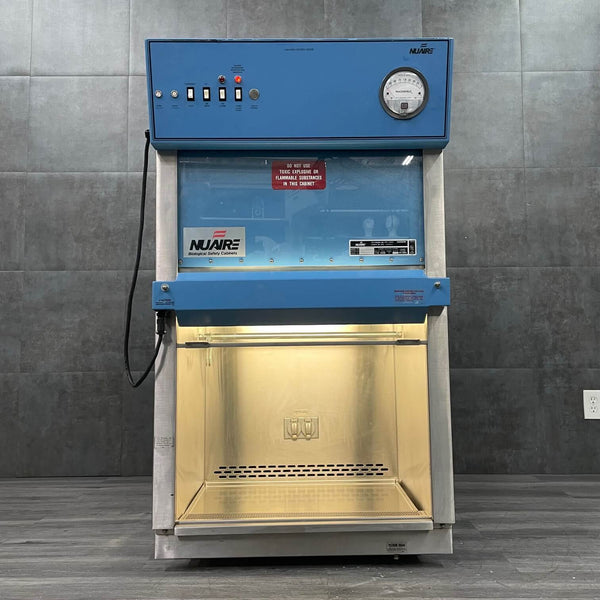
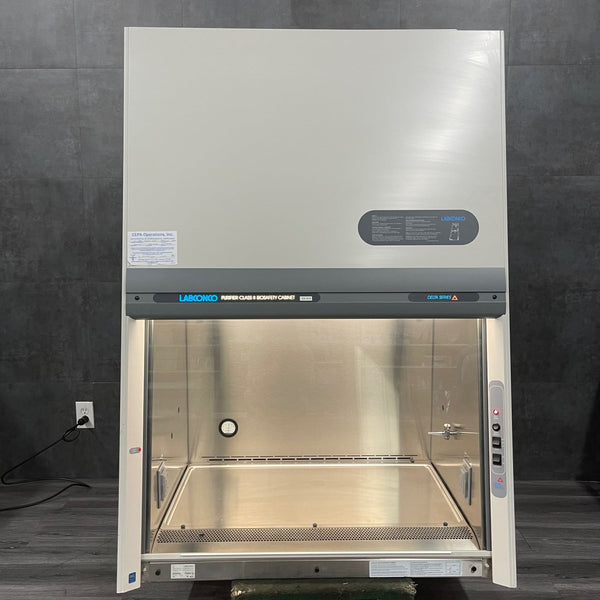
For hospitals, research institutions, and compounding pharmacies, the Biological Safety Cabinet (BSC) is the primary engineering control protecting your most critical assets: personnel, the product (samples/compounds), and the surrounding environment. Our curated collection features only certified, tested, and reliable biosafety cabinets from industry-leading manufacturers like Nuaire, Baker Company, and Thermo Scientific.
We specialize in high-demand models, including the ubiquitous Class II Type A2 and the specialized Class II Type B2 for volatile chemical work. Each unit is meticulously inspected and verified to meet NSF/ANSI 49 standards, ensuring compliance and confidence for procurement teams nationwide, especially those needing proven medical laboratory hoods near me in major scientific hubs like Los Angeles, California.
Critical Usage & Benefits
| Usage (For Physicians/Lab Managers) | Benefits (For Procurement Teams) |
| Microbiological Work: Handling Risk Group 1, 2, and 3 agents (BSL-1, BSL-2, BSL-3). | Reduced Total Cost of Ownership: Energy-efficient models and certified pre-owned options. |
| Sterile Compounding: Preparation of non-hazardous, sterile pharmaceuticals. | Compliance Assurance: Guaranteed NSF/ANSI 49 certification status upon delivery. |
| Cell Culture & Media Prep: Maintaining an ISO Class 5 sterile work zone. | Quick Deployment: Certified units are ready to ship, minimizing lab downtime. |
| Research: Providing essential containment for virology, immunology, and pathology. | Trust & Warranty: Comprehensive 15-30 day warranty on certified units (90 days for refurbished). |
Key Features Across Our Certified BSC Inventory
Our collection prioritizes features that enhance safety, ergonomics, and longevity:
-
HEPA Filtration System: High-efficiency particulate air filters, typically with $99.99\%$ efficiency at $0.3 \mu m$, ensuring clean air circulation and exhaust.
-
Stainless Steel Construction: Seamless, easy-to-decontaminate work zones in Type 304 stainless steel that resist corrosion.
-
Ergonomic Design: Features like adjustable base stands, sloped front sashes, and optimized lighting to reduce user fatigue and repetitive-strain injuries.
-
Airflow Monitoring: Digital control systems (e.g., Nuaire’s AeroMax™) with pressure gauges to continuously monitor and maintain stable inflow/downflow velocities.
-
Negative Pressure Plenum: A critical safety feature (especially in Type A2 cabinets) where the contaminated air chambers are kept under negative pressure relative to the room, preventing leaks.
Insider Information & Helpful Hints
-
The Unseen HEPA Trap: Most users assume the HEPA filter is located directly above the work zone. While the downflow filter is there, the exhaust filter—which protects the environment—is often located at the top of the cabinet or in the ductwork. A key sign of a quality BSC is a well-maintained, easily accessible exhaust filter section.
-
Don't Ignore the Drain Pan: A little-known safety tip: the contaminated air plenum below the work surface often has a drain. Always check that the drain valve is closed before use. If a spill occurs, the primary decontamination involves pouring an approved solution into this work zone and drain pan before opening the valve to empty it safely.
-
Fluorescent vs. LED: Older BSC models use fluorescent bulbs, which generate heat and can interfere with sensitive temperature-dependent experiments. Modern LED lighting in cabinets like the Nuaire ES series provides cooler, clearer illumination, improving sample stability and reducing energy costs—a significant long-term procurement advantage.
Essential Equipment in This Category
To fully operate a compliant biological containment area, procurement teams should also source the following essential items:
-
Adjustable Base Stands: Motorized or fixed stands for ergonomic positioning.
-
In-Line HEPA Filter/Vacuum Trap: For vacuum lines connected inside the BSC, to protect the central vacuum system from biohazard contamination.
-
UV Germicidal Lamps: For internal decontamination (use with caution and only when the BSC is not in use).
-
Arm Rests/Cushions: To improve user comfort and prevent blockages of the front air grille.
-
Pass-Through Chambers: Often used alongside BSCs to transfer materials into the sterile environment without disrupting airflow.
Frequently Asked Questions about Bio-Safety Cabinets
Q: What is the main difference between a Class II Type A2 and a Type B2 Biosafety Cabinet?
A: The Class II Type A2 recirculates $70\%$ of the air internally and is the most common. The Class II Type B2 exhausts $100\%$ of the air outside via a dedicated duct. The B2 is mandatory for work involving volatile toxic chemicals or radionuclides where no air can be recirculated back into the work zone.
Q: How often is certification required for a BSC in a medical lab?
A: All Bio-Safety Cabinets must be professionally certified at least annually to meet NSF/ANSI 49 standards. They also require re-certification after relocation or major repair.
Q: Are laminar flow hoods the same as biosafety cabinets?
A: No. A laminar flow hood (clean bench) only protects the product (samples) by blowing HEPA-filtered air towards the user, offering zero personnel protection. A Biosafety Cabinet protects the personnel, product, and environment.
Q: What Biosafety Level (BSL) is required for this collection of cabinets?
A: Most of our collection, particularly the Class II Type A2 models, are suitable for BSL-1, BSL-2, and BSL-3 research practices, with the appropriate risk assessment.
Q: What warranty does Angelus Medical provide on certified used BSCs?
A: Our certified or used cabinets come with a 15 to 30-day parts and labor warranty. Refurbished units typically carry a more extensive 90-day parts and labor warranty.
Q: Can I use a chemical fume hood instead of a BSC for low-risk biohazards?
A: No. Chemical fume hoods do not have HEPA filters and are not designed to protect the product or contain biohazardous aerosols. Always use a BSC for biohazards.
Q: Why do physicians and procurement teams prioritize stainless steel work zones?
A: Type 304 stainless steel is seamless, non-porous, and highly resistant to common laboratory disinfectants, making it easy to achieve complete decontamination and ensuring structural integrity.
Q: Can you ship these large units to my facility in Southern California?
A: Yes, Angelus Medical provides specialized freight services for safe and timely delivery and installation of biosafety cabinets across Los Angeles, California, and nationwide.
Q: What happens if the airflow alarm goes off during an operation?
A: An alarm indicates compromised containment. The user should immediately stop work, slowly pull their hands out, close the sash, and follow the lab's spill/disruption protocol. The cabinet should not be used until certified personnel verify the air velocity.
Q: How long do HEPA filters typically last in a BSC?
A: Filter life varies based on usage and air quality, but typically ranges from three to seven years. Their performance is tested annually during the required certification process.
Q: Should I leave the BSC blower running continuously?
A: While some labs run them continuously, best practice is to turn the blower on at least 5 minutes before work begins to purge the cabinet, and run it for 5 minutes after work is completed to purge residual aerosols.
Q: Why is an ergonomic design important for a Biosafety Cabinet?
A: Lab personnel often spend hours working in a BSC. Ergonomic features like motorized stands and slanted sashes reduce strain, improving focus and, critically, minimizing the jerky movements that can disrupt the protective air curtain.
Q: Are trade-ins accepted when purchasing a unit from this collection?
A: We encourage trade-ins of existing, functional lab equipment to help offset the cost of new or certified units. Please contact our procurement specialist for an appraisal.
Q: What is the significance of the "negative pressure plenum" in A2 models?
A: This design ensures that any potentially contaminated air within the cabinet’s internal pathways is held under negative pressure, meaning if a leak occurs, air is drawn inward (into the cabinet) rather than leaking outward (into the room), protecting the operator.
Q: Is financing or leasing available for major medical equipment purchases?
A: Yes, we offer flexible financing and leasing options tailored to the needs of medical procurement teams to help budget and acquire critical containment technology.