


Fetal Monitors, Fetus Monitors
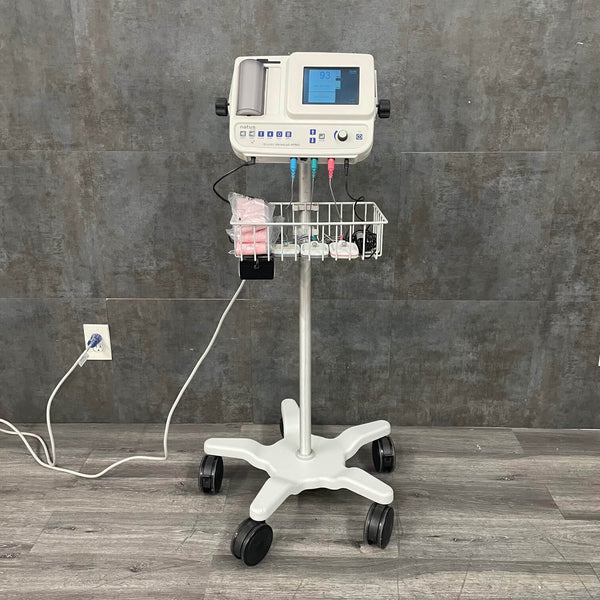
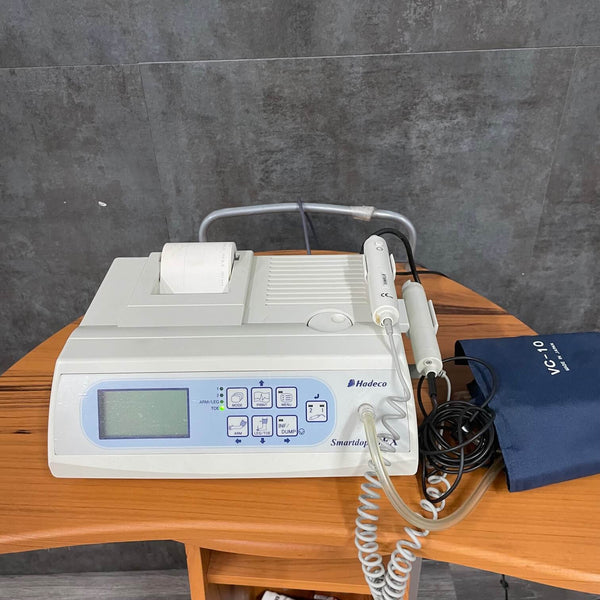
Fetal monitors are medical devices used to track the heart rate and well-being of a fetus during pregnancy and labor. They help healthcare providers assess fetal health, detect signs of distress, and ensure a safe delivery. These monitors can be external or internal, depending on the method of measurement.
Fetal monitors are used for:
- Routine prenatal checkups to assess fetal heart rate.
- High-risk pregnancies to monitor potential complications.
- Labor and delivery to ensure the baby is responding well.
- Non-stress tests (NSTs) to evaluate fetal movement and heart rate.
- Contraction monitoring to track uterine activity.
Benefits
- Early detection of fetal distress for timely intervention.
- Improved pregnancy outcomes through continuous monitoring.
- Enhanced safety during labor by tracking fetal responses.
- Accurate assessment of fetal heart rate variability.
- Helps guide medical decisions, such as emergency C-sections.
Types of Fetal Monitors
-
External Monitors
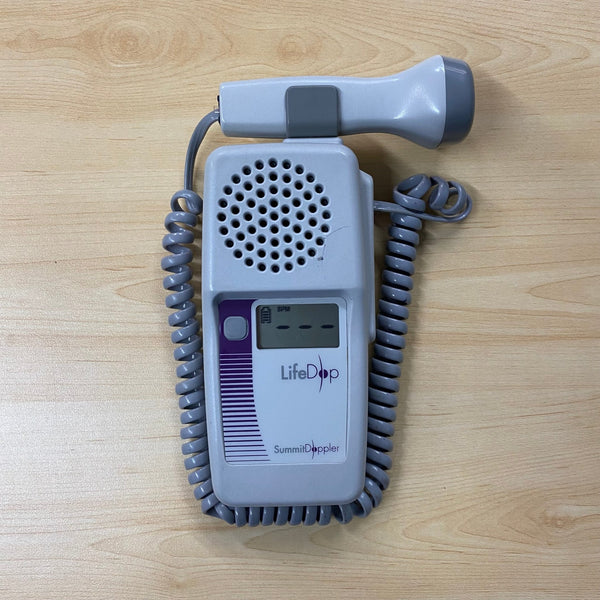
- Doppler Ultrasound: Handheld device used during prenatal visits.
- Electronic Fetal Monitoring (EFM): Uses sensors placed on the mother’s abdomen to track heart rate and contractions.
-
Internal Monitors
- Fetal Scalp Electrode: Attached to the baby’s scalp for precise heart rate measurement.
- Intrauterine Pressure Catheter (IUPC): Measures uterine contractions internally.
-
At-Home Monitors
- Handheld Doppler Devices: Available for personal use but not recommended for medical diagnosis.
- Mobile Apps: Some apps claim to track fetal heart rate, but their accuracy is limited.
Frequently Asked Questions & Answers
-
What is a fetal monitor used for?
It tracks the baby’s heart rate and uterine contractions during pregnancy and labor. -
Are fetal monitors safe?
Yes, medical-grade monitors are safe and widely used in hospitals. -
Can I use a fetal monitor at home?
While handheld Dopplers exist, they are not recommended for medical diagnosis. -
What is the difference between external and internal monitoring?
External monitoring uses sensors on the abdomen, while internal monitoring involves placing electrodes inside the uterus. -
Do fetal monitors detect distress?
Yes, they help identify abnormal heart rate patterns, indicating potential distress. -
How often is fetal monitoring done?
It depends on the pregnancy risk level—routine checkups vs. continuous monitoring during labor. -
Can fetal monitoring predict complications?
It can identify warning signs, allowing doctors to intervene early. -
Is fetal monitoring painful?
External monitoring is painless, while internal monitoring may cause slight discomfort. -
What happens if the fetal heart rate is abnormal?
Doctors may recommend additional tests or emergency interventions. -
Can fetal monitors be used for twins?
Yes, advanced monitors can track multiple fetuses simultaneously. -
Do fetal monitors work during contractions?
Yes, they measure uterine activity alongside fetal heart rate. -
Are there risks associated with continuous monitoring?
Some studies suggest increased C-section rates, but benefits outweigh risks. -
Can fetal monitoring replace ultrasound?
No, ultrasound provides structural imaging, while fetal monitors track heart rate. -
What is a non-stress test (NST)?
An NST evaluates fetal heart rate response to movement, ensuring well-being. -
Where can I get a fetal monitor?
They are available in hospitals, clinics, and medical supply stores.