


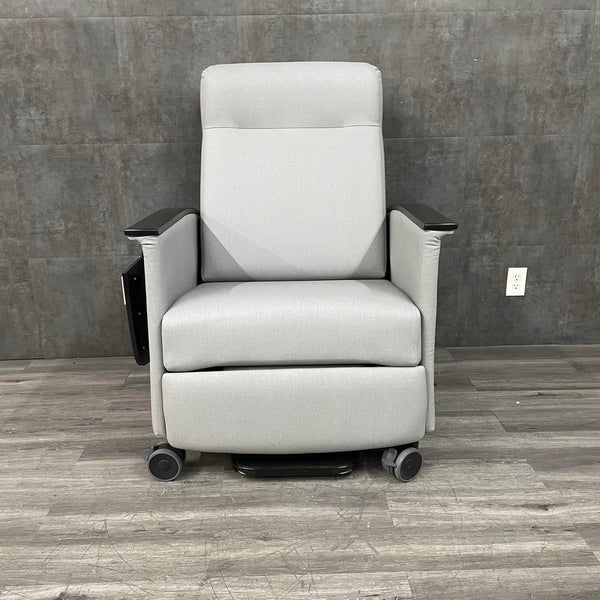
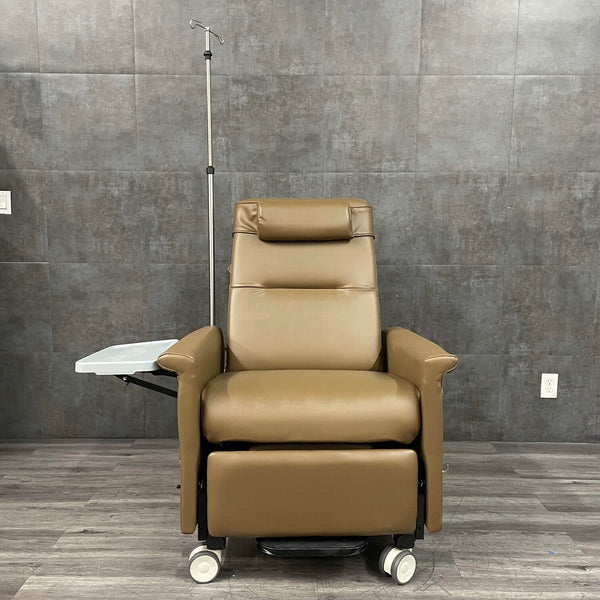
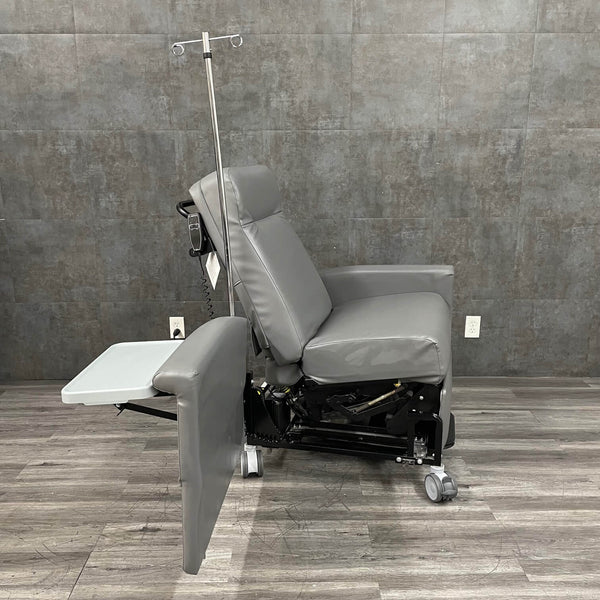
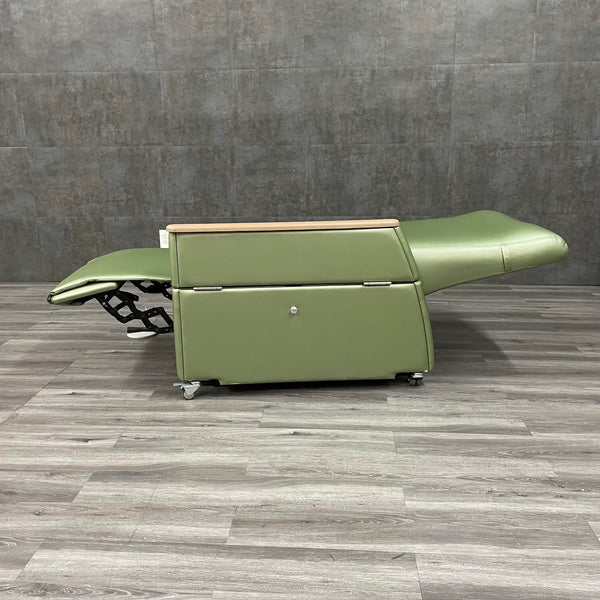
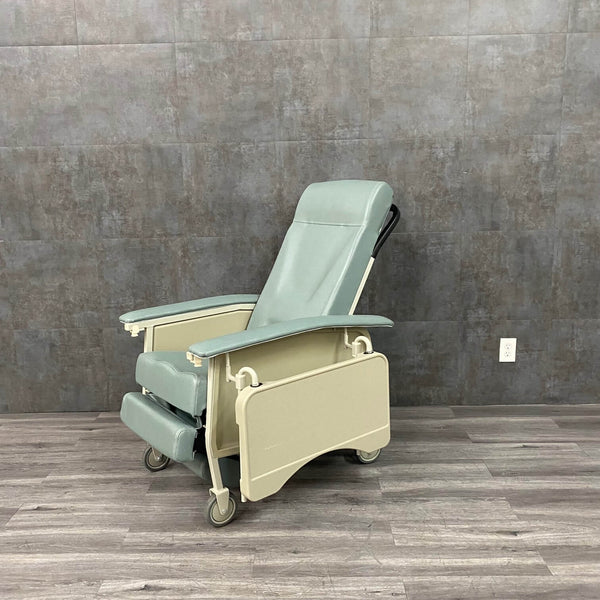
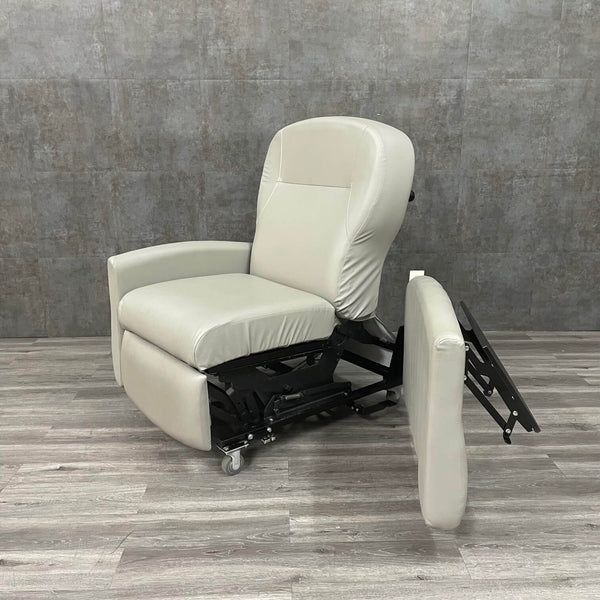
Geri chairs (also called geriatric chairs) are specialized clinical recliners designed to meet the needs of seniors and individuals with limited mobility. They combine the comfort of a cushioned recliner with a wheeled base, making them an ideal seating solution in hospitals, infusion centers, dialysis clinics and long term care facilities. Competitor articles note that geri chairs support independence by offering users the ability to sit, recline or even sleep comfortably, while adjustable positioning and ergonomic design provide pressure relief and enhance patient comfort. Models typically include safety features such as durable frames, lockable casters and seat belts, emphasising that these chairs are built for clinical environments.
Why Healthcare Facilities Use Geri Chairs?
-
Promote Patient Comfort and Safety - Geri chairs allow residents to recline, elevate their legs or change positions easily; this helps relieve pressure points and reduces the risk of pressure ulcers. Adjustable positioning and supportive padding promote circulation and can help patients relax during lengthy treatments.
-
Assist with Mobility and Transfers - Geri chairs include casters or wheels, enabling caregivers to move patients without demanding transfers. They often include drop arm or swing arm features that make lateral transfers safer.
-
Adapt to Different Care Settings - Besides long term care, geri chairs are used for dialysis, infusion therapy, cardiac care and post surgery recovery. They offer enhanced comfort and support during procedures that require patients to remain seated for extended periods.
-
Boost Operational Efficiency - For care teams, mobile recliners reduce caregiver strain during repositioning and make it easier to perform procedures or monitor vital signs.
Types of Geri Chairs
|
Type |
Description |
|
3‑position Geri Chairs |
Offer three preset positions (upright, partial recline and full recline). These chairs accommodate basic postural changes and are widely used in extended care settings. |
|
4‑position Geri Chairs |
Include all the positions of 3‑position chairs with an extra intermediate setting, giving patients more recline options. |
|
Infinite‑position Geri Chairs |
Provide a full range of motion; the backrest and leg rest move independently to enable near‑horizontal sleeping or Trendelenburg positioning. Infinite‑position models are ideal for patients needing pressure relief or bariatric support. |
Key Features to Consider
Clinical staff and biomedical engineers evaluating geri chairs should focus on features that enhance patient comfort, safety and workflow:
-
Power vs. Manual Operation - Power operated geri chairs allow patients to adjust positions using a hand control, while manual models rely on levers. Power versions are recommended for patients who cannot move independently.
-
Weight Capacity and Size - Selecting a chair with appropriate dimensions and weight capacity ensures safe seating for bariatric and pediatric patients.
-
Tilt in space/Trendelenburg Capability - Chairs that tilt the entire seating surface help redistribute pressure and ease breathing. Infinite position models often include Trendelenburg positioning for enhanced therapeutic benefits.
-
Ergonomic Support and Cushioning - High density foam, gel or air cushions reduce pressure points. Look for adjustable headrests, lumbar support and articulating leg rests to maintain proper posture.
-
Mobility and Safety Accessories - Lockable casters, footrests, armrests and seatbelts contribute to stability and patient safety. Additional options like activity trays, IV pole mounts or swing away arms improve workflow during treatments.
-
Compatibility with Other Equipment - Ensuring the chair integrates with patient lifts or transfer boards reduces the risk of injury when moving patients.
Benefits for Patients and Care Teams
Geri chairs provide more than comfort; they support holistic care. Regular repositioning helps reduce pain, stress and circulatory issues, encouraging patients to participate in activities such as reading or conversing with visitors. Comfortable seating also promotes mental well being and social engagement. For nurses and therapists, mobile recliners improve efficiency by enabling one person transport and reducing the physical effort required for repositioning or transfers. This efficiency translates into better patient throughput and reduced fatigue for staff.
Choosing the Right Geri Chair for Your Facility
When selecting a geri chair for a hospital or clinic, consider the following:
-
Clinical Application - Identify whether the chair will be used for infusion therapy, dialysis, post surgery recovery or long term care. For example, chairs used in infusion centres should offer infinite positioning and accessories like IV pole mounts.
-
Patient Population - Consider patient size, weight capacity and mobility level. Bariatric chairs, such as the Champion 86P Bariatric Clinical Recliner, accommodate higher weight capacities, while compact models suit pediatric units.
-
Adjustability and Positioning - Evaluate whether a 3 position chair is sufficient or if your facility needs an infinite position model with Trendelenburg capability. The IOA Eva Sleeper Mobile Clinical Recliner offers powered adjustments and a sleeper configuration for overnight stays.
-
Ease of Cleaning and Durability - Look for medical grade upholstery that is easy to sanitize and a sturdy steel frame for longevity. Competitor sites emphasise durable frames and hygienic materials.
-
Budget and Total Cost of Ownership - Consider maintenance costs, warranty coverage and the potential for accessories or future upgrades.
Our Collection of Geri Chairs
At Angelus Medical, we have decades of experience outfitting hospitals and clinics with ergonomic, high quality seating. Our Geri Chair offers a range of manual and power recliners to meet diverse clinical needs. Here are some highlights:
-
Champion Ascent II Clinical Recliner - A manual recliner with ergonomic back support, durable construction and smooth rolling casters. It’s ideal for infusion therapy, dialysis and recovery rooms and improves patient comfort and workflow.
-
Champion 86P Bariatric Clinical Recliner - Designed for larger patients, this chair offers adjustable positions, medical grade upholstery and a 500 lb weight capacity.
-
Champion 66P Clinical Recliner - A versatile three position model with ergonomic design, manual reclining mechanism and mobility casters, suitable for oncology, dialysis and general patient rooms.
-
IOA Eva Sleeper Mobile Clinical Recliner - A powered chair that converts from a recliner to a bed; its hand control lift assists patients and staff during transfers and features fold away armrests and a foot control.
-
Invacare Deluxe 3 Position Recliner - A dependable chair that offers three preset positions and easy maneuverability perfect for budget conscious facilities.
Complementary Equipment and Accessories
A comprehensive patient care environment includes more than seating. Consider the following equipment, all available through our site, to enhance comfort and efficiency:
-
Medical Recliner Chairs - Explore additional recliner models for hospitals and clinics, including specialized treatment chairs and bariatric options.
-
IV Poles - Adjustable stainless steel poles designed to support infusion therapy in conjunction with geri chairs.
-
Infusion Pumps - Reliable infusion pumps compatible with our recliners help deliver precise fluid volumes during treatment.
-
Medical Office Furniture - Outfit examination and procedure rooms with durable cabinets, carts and clinician stools.
-
Phlebotomy Chairs - For blood draw clinics, our Mesa Blood Drawing Chair and UMF 8675 Phlebotomy Chair provide padded seats and adjustable armrests.
Featured Phlebotomy Chairs
- Mesa Blood Drawing Chair - Combines a sturdy frame with ergonomic armrests, offering patients comfort and technicians convenient access.
-
UMF 8675 Phlebotomy Chair - This chair features padded upholstery, an adjustable seat and a stable base for safe venipuncture procedures.
-
Hydraulic Blood Drawing Chair - A lever controlled hydraulic lift makes adjusting seat height effortless, ensuring proper positioning for different patient sizes.
Monitoring and Support Equipment
-
Patient Vital Sign Monitor Accessories - Access cuffs, sensors and cables to integrate with your facility’s monitoring systems.