



Primary Care Clinic Equipment Collection (Family Medicine & Outpatient) — Angelus Medical
Primary Care Clinic Equipment — Built for Fast Intake, Accurate Vitals, and Everyday Patient Care (Los Angeles & Gardena, CA)
Primary care is where most clinical decisions begin—so your equipment needs to support efficient intake, accurate measurements, and reliable day‑to‑day performance. The Primary Care Clinic Equipment Collection at Angelus Medical is curated for family medicine, internal medicine, community health centers, occupational medicine, and outpatient clinics looking to standardize exam rooms and streamline patient flow in Gardena, Los Angeles County, and across California.
Whether you’re expanding an existing practice, replacing aging equipment, or opening a new clinic, this collection is designed around what primary care teams use most: exam tables, vital signs monitoring, diagnostic instruments, point‑of‑care tools, and safety essentials.
Essential Primary Care Equipment List (Category Checklist)
Exam Room & Intake
- Manual Exam tables
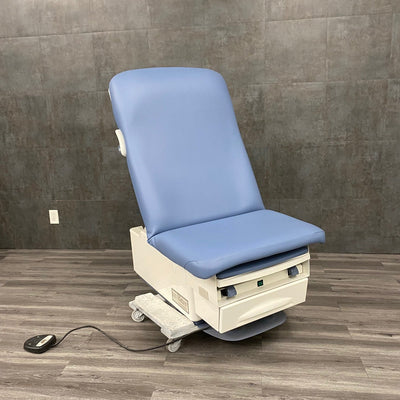
- Power Exam Tables
- Provider stool + step stool
- Exam light (LED)
- Patient scale + height measurement
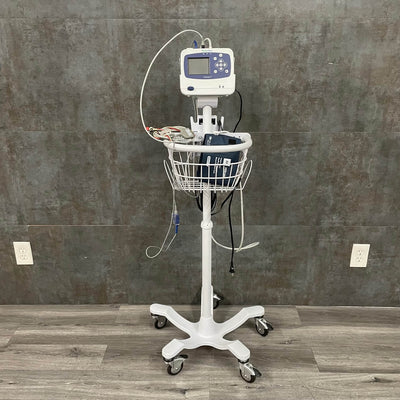
- Vital signs monitor (BP, temperature, pulse)
- Pulse oximeter
Diagnostic Instruments
- Stethoscope (adult; pediatric if needed)
- Otoscope + ophthalmoscope diagnostic set
- Thermometer (plus probe covers if applicable)
In‑Office Diagnostics (Common)
- Glucose meter
- Urinalysis test supplies (dipsticks; analyzer optional)
- Rapid tests (clinic‑dependent)
- EKG/ECG machine
- Spirometry (if respiratory volume is high)
Immunization / Medication Handling
- Pharmaceutical‑grade refrigerator for vaccines/meds (where applicable)
- Syringes/needles + sharps disposal
Infection Control / Safety
- PPE (gloves, masks, gowns)
- Biohazard containers + sharps containers
- Hand sanitizer/soap stations
- AED (recommended)
Key Benefits & Features Procurement Teams Should Prioritize
When comparing primary care clinic equipment, the highest‑impact procurement features tend to be:
Workflow & Throughput Features
- Fast intake design (single‑station vitals, easy‑read displays, stable stands)
- Durability for high patient volume (exam tables and intake equipment built for repeated daily use)
Clinical Performance & Usability
- Accurate vitals measurement with appropriate cuff sizes (adult, large adult, pediatric)
- Good exam lighting for better visualization in ear/throat/skin assessments
Hygiene & Safety
- Easy‑to‑clean surfaces and ready access to PPE and sharps containers
Why Buy Primary Care Equipment from Angelus Medical & Optical (Gardena, CA)
Primary care procurement is often urgent—equipment fails, providers add rooms, or new clinics launch with tight timelines. Angelus Medical is positioned to support that reality through:
- Showroom + virtual showroom experience so buyers can evaluate equipment with confidence (especially for exam room build‑outs).
- “Buy it today, enjoy it today” availability positioning for practices that can’t wait on long lead times.
- Service-driven support beyond the sale—repair, maintenance guidance, and lifecycle support are part of your brand promise.
Helpful Hints (What Buyers Often Miss)
Here are a few practical procurement insights that improve outcomes and reduce re‑orders:
-
Blood pressure cuff sizing is a hidden accuracy risk. Many clinics unintentionally use the wrong cuff size. Stock adult + large adult + pediatric at minimum for reliable readings.
-
A dedicated exam light improves diagnostic confidence. Overhead lighting often isn’t enough for ear/throat/skin inspection, so an adjustable exam light is a low-cost upgrade with high clinical impact.
-
Choose vitals equipment with clear workflow ownership. When intake gets busy, integrated vitals stations reduce bottlenecks and rechecks.
-
If you vaccinate, don’t rely on consumer refrigerators. Primary care clinics commonly require pharma‑grade storage for temperature stability and monitoring (clinic policy dependent).
-
Standardize room-to-room. A consistent equipment layout reduces training time, speeds intake, and improves staff confidence—especially in multi-provider clinics. (Procurement best practice; aligns with your “standardize” theme from internal collection frameworks.)
Related Collections
- Manual Exam Tables
- Power Exam Tables
- Patient Monitors / Vital Signs Monitors
- Diagnostic Sets
- Medical Scales
- Medical Equipment Repair
- Medical Exam Table Upholstery
- CHDP Calibration Certification
FAQs, Frequently Asked Questions
Q1: What equipment is essential for a primary care clinic?
A: Most clinics start with exam tables, vital signs equipment, diagnostic sets (otoscope/ophthalmoscope), stethoscopes, scales, and infection-control supplies.
Q2: What should be in each primary care exam room?
A: An exam table, exam light, vitals tools (BP, temperature, pulse oximeter), basic diagnostic instruments, PPE, sharps container, and room supplies are common fundamentals.
Q3: Do primary care clinics need a vital signs monitor or individual devices?
A: Either approach is used. Many clinics prefer vitals systems that streamline intake (BP + temp + pulse/SpO2) for efficiency and consistency.
Q4: What diagnostic tools are standard for family medicine?
A: Otoscope and ophthalmoscope sets, stethoscopes, thermometers, and basic exam tools are common for routine evaluation.
Q5: Is an EKG/ECG machine common in primary care?
A: Many primary care practices use ECG units for baseline evaluation, clearance visits, and symptom workups depending on their service scope.
Q6: Is spirometry necessary for primary care?
A: Spirometry is commonly used in practices managing asthma/COPD or doing pulmonary monitoring; need depends on patient population.
Q7: What equipment is needed for point-of-care testing?
A: Common items include urinalysis supplies, glucose testing tools, and clinic‑selected rapid tests—often CLIA‑waived depending on operations.
Q8: What’s the best exam table type for primary care?
A: Many clinics choose manual or power tables based on workflow, room volume, and accessibility needs.
Q9: Why do clinics need both a scale and height measurement?
A: Height and weight support BMI screening and longitudinal tracking in routine primary care intake.
Q10: What infection control supplies are most important?
A: PPE, hand hygiene supplies, sharps containers, and biohazard disposal are fundamental for daily safe operations.
Q11: Should clinics stock multiple blood pressure cuff sizes?
A: Yes—adult, large adult, and pediatric cuffs are commonly recommended for accurate readings across patient populations.
Q12: What emergency equipment is recommended in a primary care office?
A: Emergency readiness typically includes an AED and basic emergency supplies; purchasing varies by clinic policy and scope.
Q13: Can procurement teams order in bulk for multi-location clinics?
A: Yes—standardizing room packages and requesting quotes helps reduce variability and simplifies purchasing.
Q14: Why does local sourcing matter for primary care equipment?
A: Local availability can reduce downtime and help clinics replace critical equipment faster, especially in Los Angeles County. (Matches your “buy today” positioning.)
Q15: Can I see equipment before buying from Angelus Medical?
A: Angelus Medical positions itself with a showroom and virtual showroom option so buyers can evaluate equipment confidently.