

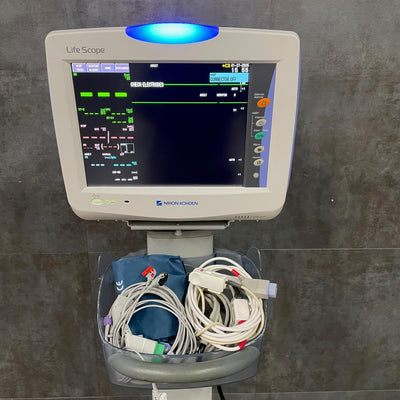
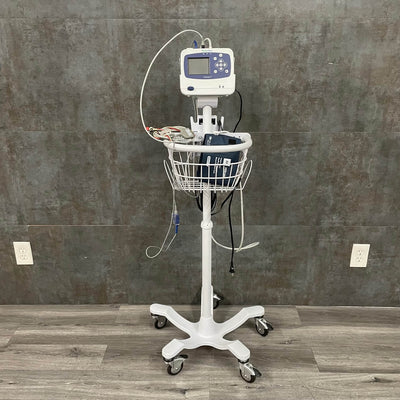

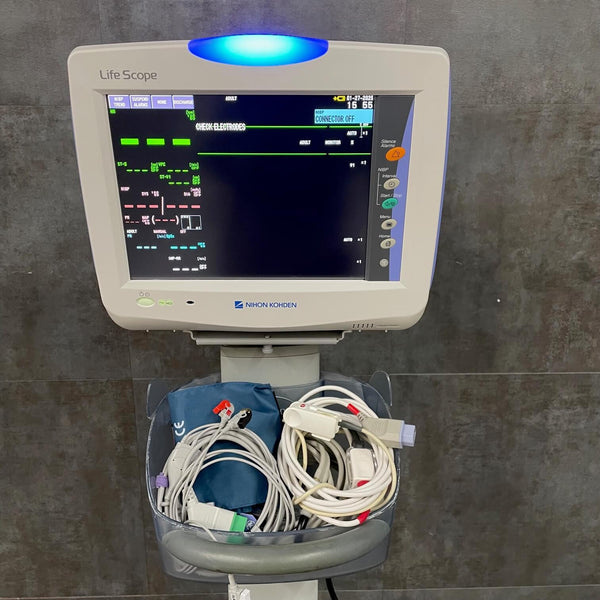

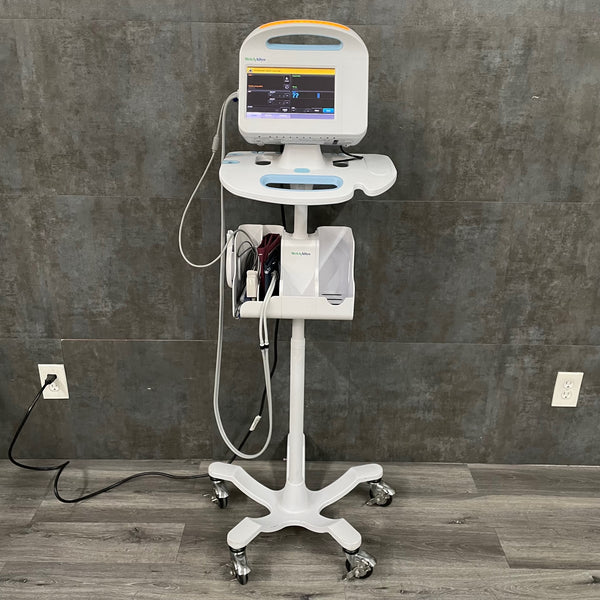

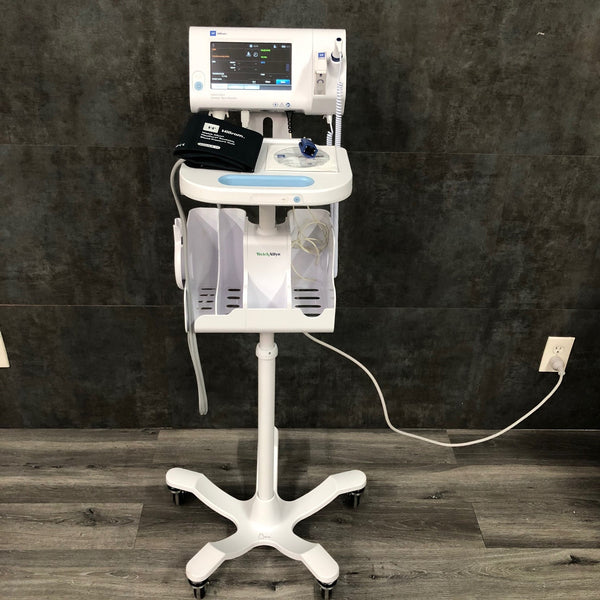
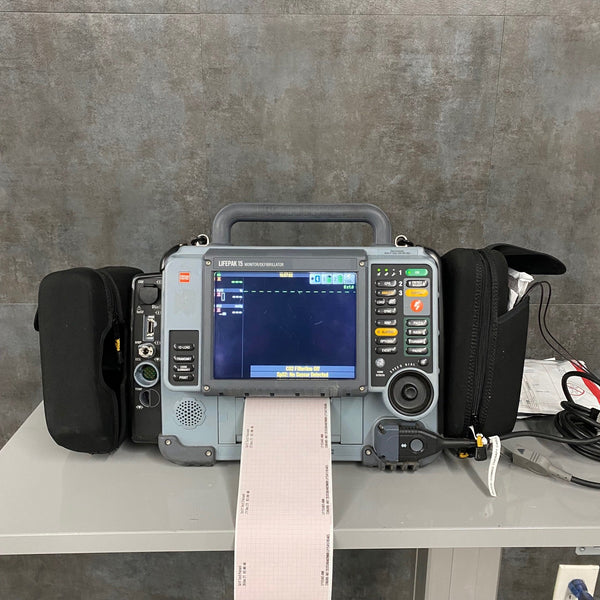


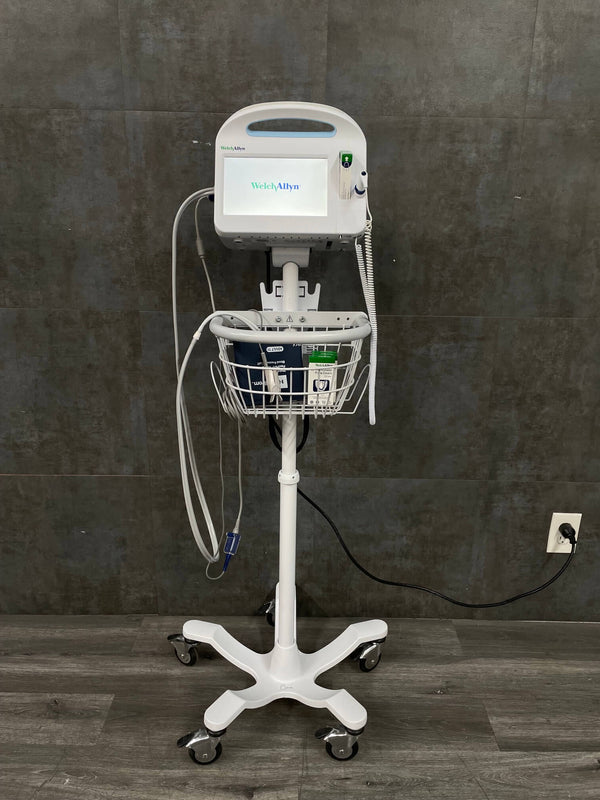
Wondering how healthcare professionals constantly monitor your health during a hospital stay? Patient monitors are key to this process, importantly tracking vital signs like heart rate and blood pressure to immediately identify any changes in your condition. These medical monitors help ensure quick and effective responses to health fluctuations, making them indispensable in any medical setting.
Why are these devices so essential, and how can they benefit you during a hospital visit? Patient monitors not only track health data in real time but also alert medical staff to potential issues before they escalate into emergencies. Concerned about the effectiveness of your health monitoring? At Angelus Medical, our patient monitoring systems are designed to offer peace of mind, providing accurate and continuous tracking for optimal care.
What is a Patient Monitor and How Does It Work?
A patient monitor is a device used in hospitals to continuously track vital signs like heart rate, blood pressure, oxygen levels, and more. It acts as a constant "health checker" for patients, providing doctors and nurses with real-time data about a patient’s condition. In simple terms, a hospital monitor helps keep an eye on essential health markers to ensure quick action if anything unusual happens.
The typical patient monitoring system includes sensors and a screen. The sensors are attached to the patient to measure vital signs, while the screen, often called a vitals monitor or vital signs machine, displays this data in a clear, easy-to-read format. This system helps healthcare providers detect any issues early, enabling timely interventions to support better patient outcomes.
Key Benefits of Patient Monitors
Patient monitors provide essential advantages in healthcare, offering reliable, real-time data that supports better patient outcomes. Below, we explore the importance of 24/7 monitoring for improved care quality.
24/7 Monitoring for Better Patient Care
Continuous Hospital Monitoring for Immediate Response
In serious care units, such as the ICU, hospital monitoring plays a vital role in patient survival and recovery. Patient monitors work around the clock, capturing key health data and alerting medical staff if a patient’s condition changes. This 24/7 vigilance allows doctors and nurses to respond swiftly, which is especially important for those in serious conditions.
ICU Monitors for High-Risk Patients
For patients with serious health risks, ICU monitors offer a lifeline by providing constant updates on their vital signs. These monitors track every fluctuation in heart rate, blood pressure, and oxygen levels, ensuring that no sign of distress goes unnoticed. By using patient monitors in intensive care, healthcare providers can make timely decisions that can save lives and improve recovery outcomes.
Early Detection of Health Issues
Monitoring Heart Rate for Quick Intervention
A heart rate monitor hospital setup is essential in catching irregularities early. By continuously tracking a patient’s heart rate, this monitor can detect abnormalities that might signal a health issue. Early warnings allow healthcare providers to act fast, often preventing a minor issue from escalating into a serious situation.
Hospital Vital Signs Monitor for Comprehensive Tracking
A hospital vital signs monitor does more than just track heart rate; it also keeps an eye on blood pressure, oxygen levels, and other serious health metrics. This comprehensive monitoring helps identify patterns or sudden changes that might indicate a developing problem, giving medical staff the information they need to respond proactively.
Immediate Alerts to Healthcare Staff
Patient monitors like the monitor medical system are designed to trigger alarms if any vital sign falls outside safe parameters. This immediate alert system ensures that healthcare providers are notified right away, allowing for timely intervention. With these alerts, the pt monitor enables medical teams to address health issues before they worsen, improving the chances of a swift recovery.
Improved Patient Outcomes
Regular Vitals Monitoring for Accurate Diagnosis
Through continuous vitals monitoring, healthcare providers gather essential health data over time, which helps in making accurate diagnoses. Tracking vital signs like heart rate, blood pressure, and oxygen levels provides a detailed picture of a patient’s condition. This ongoing medical monitoring allows doctors to detect any underlying health patterns that might not be noticeable with occasional check-ups.
Effective Treatment Plans with Consistent Monitoring
Consistent medical monitoring helps in tailoring treatment plans more effectively. By observing how a patient responds to certain treatments or medications in real time, healthcare providers can make adjustments as needed. This personalized approach, supported by regular vitals monitoring, leads to improved patient outcomes and a higher chance of successful recovery.
Common Applications of Patient Monitors in Healthcare
Patient monitors serve various essential functions across different healthcare settings. Below, we explore their role in hospitals, outpatient care, and emergency rooms.
Hospital and ICU Use
- Hospital heart monitors are important for patients in serious condition, continuously tracking heart rate and alerting staff to any irregularities.
- In the ICU, patient monitors provide real-time data on vital signs like blood pressure, heart rate, and oxygen levels, ensuring that even the slightest change is detected immediately.
- A hospital blood pressure machine specifically helps track fluctuations in blood pressure, which is vital for seriously ill patients, allowing for swift intervention if levels fall or rise unexpectedly.
Outpatient and At-Home Monitoring
- For patients who need monitoring outside of the hospital, portable vital sign machines enable ongoing care, allowing patients to check their vitals from home while keeping healthcare providers informed.
- Many hospitals offer vitals machines on wheels, making it easier to transport monitors to outpatient settings or even in-home care situations. This flexibility helps bridge the gap in monitoring when patients are away from the hospital.
- A patient monitor for hospitals can also be used in outpatient clinics, helping doctors assess vital signs without requiring a full hospital setup, which is especially beneficial for regular check-ups or non-serious monitoring.
In outpatient clinics, patient monitors are often used alongside Exam Tables and Chairs to create an efficient, patient-ready exam station.
Emergency and Operating Rooms
- In high-stakes areas like emergency rooms, the hospital patient monitor is indispensable for tracking a patient's condition minute by minute. It allows for rapid responses to any sudden health changes.
- Vital sign monitors are essential during surgeries, providing surgeons and anesthesiologists with real-time data on the patient’s heart rate, oxygen levels, and other vitals, ensuring safe and effective procedures.
- The vital monitor machine in operating rooms is often equipped with advanced features, designed specifically for surgical environments, to handle complex monitoring needs during operations.
Patient monitors are essential tools across various healthcare settings, from intensive care to outpatient monitoring and emergency rooms. Their ability to provide continuous, accurate data through devices like the monitor medical and patient vital signs monitor supports timely medical interventions and improves patient care, ultimately contributing to better health outcomes.
Types of Patient Monitors and Choosing the Right One
Patient monitors come in various forms, each suited for specific health tracking needs. Understanding the differences can help healthcare providers select the most effective tools for their environments.
Basic Vital Signs Monitors
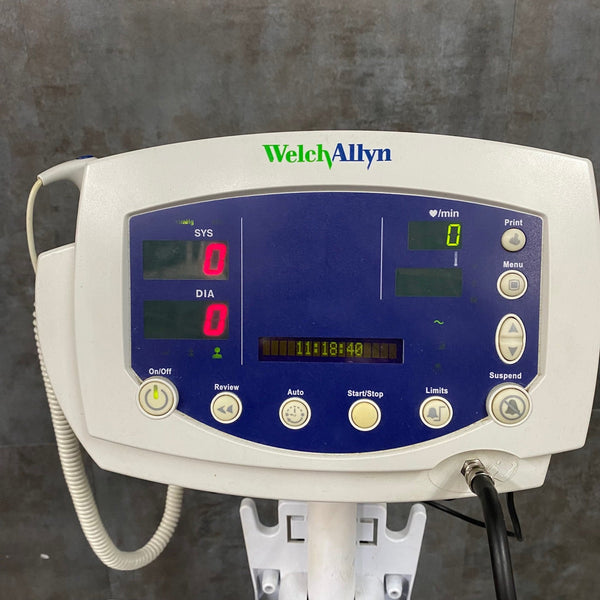
Basic vital signs monitors are essential tools that track fundamental health metrics like blood pressure, pulse, and temperature, making them invaluable in routine patient care. These monitors are often used in outpatient settings or as part of bedside monitoring systems in hospitals.
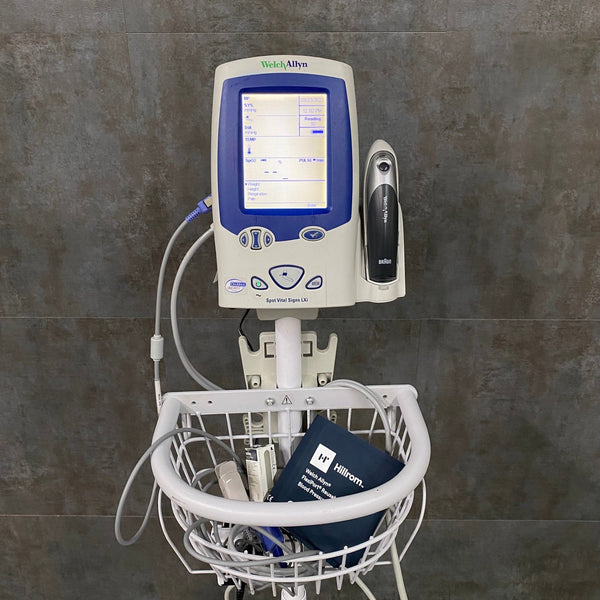
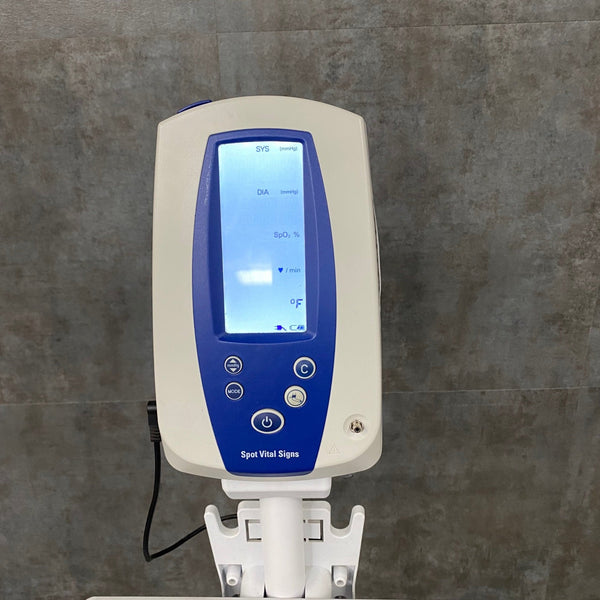
- Simple Vital Signs Tracking: Devices like the Welch Allyn LXI Spot Vital Sign Monitor provide straightforward measurements, capturing essential data quickly for efficient patient assessment.
- Reliable Blood Pressure Monitoring: Basic monitors, such as the GE Dinamap Patient Monitor, excel in providing accurate blood pressure readings, which are serious in managing conditions like hypertension.
- Temperature and Pulse Monitoring: For routine checks, a device like the ADC ADView Patient Monitor offers combined monitoring functions, making it versatile for varied patient needs.
- Bedside Accessibility: Monitors designed for bedside use, such as the GE Dash 3000 Patient Monitor, ensure that healthcare providers can easily access and interpret vital signs data in real time.
Specialized Monitors for Different Health Needs
Specialized monitors are customized for more focused healthcare requirements, such as cardiac monitoring or respiratory support. These are often essential in serious care units where targeted data on specific body functions is necessary.
- Heart Monitoring Capabilities: The Criticare nCompass Patient Monitor provides in-depth cardiac monitoring, an essential feature in managing patients with heart conditions.
- Comprehensive Vitals Analysis: Monitors like the Datex-Ohmeda Cardiocap 5 offer multiple tracking capabilities, from heart rate to gas monitoring, making them suitable for complex cases such as surgical and anesthesia settings.
- Dedicated Blood Pressure Monitoring: For focused blood pressure tracking, the hospital blood pressure machines like the Welch Allyn Spot Monitor offer reliability and accuracy, important in both serious care and regular patient assessments.
- Respiratory Support Systems: In respiratory care, specialized devices like the Medrad Veris MRI Vital Sign Monitor help manage oxygen levels and breathing rates, providing essential data for patients with respiratory issues.
Portable vs. Fixed Monitors
Portable and fixed monitors each have their unique advantages, depending on the healthcare setting. While portable vital sign monitors provide flexibility, fixed monitors in hospital rooms offer constant and stable data tracking.
- Mobility for Outpatient Care: Portable options, such as the Welch Allyn 6000 Series Vital Sign Monitor, are ideal for mobile health teams or outpatient settings, offering reliable monitoring on the go.
- Hospital Room Stability: Fixed hospital room monitors like the Patient Monitors Bedside Monitors provide continuous tracking, making them suitable for ICU and inpatient care where constant supervision is needed.
- Versatility in Emergency Situations: For emergency care, portable monitors like the Lifepak 15 Monitor Defibrillator combine mobility with life-saving features, ensuring patients get immediate attention in urgent settings.
- Ease of Access for All Departments: Portable monitors mounted on wheels, like vitals machines on wheels, offer easy movement across hospital departments, streamlining monitoring processes in various care units.
Each of these monitors plays a pivotal role in healthcare by providing the right data at the right time, ensuring that patients receive the care they need, wherever they are in the facility.
Advanced Monitors for Specialized Medical Needs
In healthcare, advanced monitor medical devices serve important roles beyond general vital signs tracking. These devices are often used in specialized settings, like the blood pressure monitor at the hospital or heart monitor hospital, where patients require detailed analysis or unique types of monitoring to manage complex health conditions effectively.
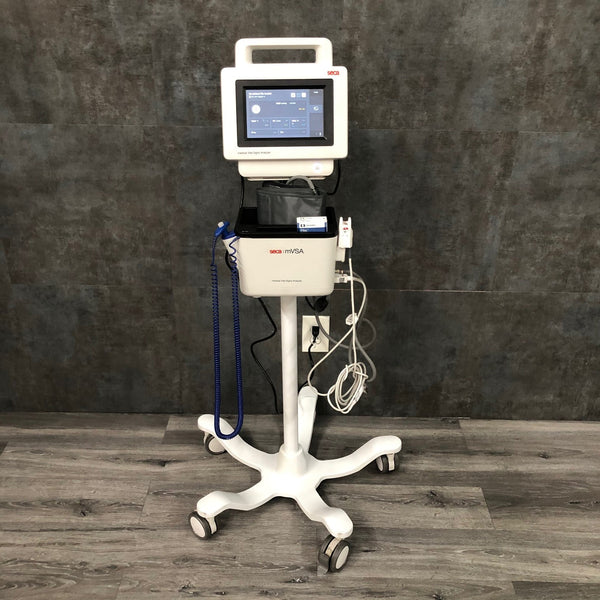
- Comprehensive Vital Signs Analysis: The Seca MVSA Medical Vital Sign Analyzer is designed for detailed monitoring, offering extensive data that supports more in-depth health assessments and diagnostics.
- Anesthesia Monitoring for Surgery: During surgeries, devices like the Datex-Ohmeda Cardiocap 5 Anesthesia Monitor are essential for tracking anesthesia levels, and ensuring patient safety by maintaining stable vitals throughout complex procedures.
- Thermotherapy Support for Patient Comfort: The AMS TMX3000 Thermotherapy System adds value in specialized care, providing temperature control which is important for patient recovery and comfort in post-operative or therapeutic settings.
- Vital Signs in MRI Environments: For MRI settings, the Medrad Veris MRI Vital Sign Monitor is designed to operate safely within MRI suites, offering reliable monitoring without interference during scans.
- Advanced Multi-Parameter Monitoring: The Welch Allyn Connex Spot Monitor provides extensive parameters for patient monitoring, including options for data connectivity and advanced display settings, making it ideal for facilities requiring detailed, multi-faceted patient tracking.
These specialized monitors provide serious data customized to specific medical scenarios, making them valuable tools in settings that demand advanced healthcare solutions.
Important Features to Look for in a Patient Monitor
Selecting the right patient monitor means focusing on features that ensure accurate readings, ease of use, and timely alerts, all important for patient safety and effective care.
Accuracy and Reliability
Accuracy in a hospital vital sign machine on wheels is essential for making well-informed medical decisions. A monitor with precise readings, like the Criticare CSI nCompass Patient Monitor, provides healthcare staff with reliable data, ensuring that serious values like heart rate and blood pressure are tracked accurately. Consistent hospital monitor readings are vital, as even minor inaccuracies can impact treatment outcomes.
Ease of Use and Mobility
A user-friendly monitor helps healthcare providers work efficiently, especially in quick settings. Monitors with intuitive designs and options like the Welch Allyn Spot Monitor are easier to navigate, allowing staff to focus on patient care. Additionally, mobility features such as vital signs monitors on wheels or those with adjustable stands, like the Welch Allyn Connex Spot Monitor, make it convenient to transport monitors across different rooms.
Alarm Systems and Alerts
Alarm systems in patient vital signs monitors are important for immediate intervention. These alerts notify staff if a patient’s vitals fall outside the safe range, enabling prompt action. Monitors with efficient vital signs carts provide mobility with built-in alarms, ensuring that staff are alerted in real-time to any serious changes.
Choosing a hospital vital signs monitor with key features like accuracy, ease of use, and reliable alarm systems ensures that healthcare providers can deliver timely, effective care. These essential qualities in a hospital heart rate monitor support patient safety and improve the overall quality of healthcare monitoring.
Best Practices for Using Patient Monitors in Healthcare
Following best practices when using patient monitors helps maintain accurate readings and ensures they function effectively in various healthcare settings.
Regular Maintenance and Calibration
To keep a monitoring device accurate, regular maintenance and calibration are essential. Routine checks help detect any wear or misalignment in sensors, which can affect data quality. For example, calibrating a hospital vital monitor ensures it continues to deliver reliable readings, which is serious for patient care. Keeping the monitors clean and following the manufacturer’s guidelines for maintenance can extend their lifespan and accuracy.
Proper Placement and Setup
Correctly setting up and positioning a vital sign machine in hospital settings can significantly impact its effectiveness. Ensuring the patient vital monitor is placed at the appropriate height and angle allows sensors to capture accurate vitals without interference. Proper cable management and secure sensor placement also reduce the risk of false readings, helping staff trust the data displayed.
Staff Training and Familiarity
Training healthcare staff on how to read a hospital vitals monitor is important for effective monitoring. Proper training enables staff to interpret data accurately and respond swiftly to any serious changes. Additionally, teaching staff how to read vitals and troubleshoot common issues increases confidence in using the equipment, ensuring patients receive timely care without unnecessary delays.
By following these best practices, healthcare facilities can ensure patient monitors operate reliably, providing accurate data that supports quality patient care and timely interventions.
Why Choose Angelus Medical for Patient Monitors?
Angelus Medical is a trusted provider of patient monitors, offering a diverse selection to meet various healthcare needs. Their inventory includes basic vital signs monitors and specialized devices, ensuring healthcare providers can find the right hospital patient monitor for any setting.
Quality is a cornerstone of Angelus Medical's offerings. They supply equipment from reputable manufacturers like Welch Allyn, Hill-Rom, and GE, ensuring reliability and accuracy in patient monitoring. Each device undergoes thorough inspection and testing to meet stringent standards, providing healthcare facilities with dependable tools for patient care.
Beyond product quality, Angelus Medical is committed to exceptional customer support. Their knowledgeable team assists clients in selecting suitable monitors and offers guidance on proper usage and maintenance. This comprehensive support ensures healthcare providers can effectively utilize their equipment, enhancing patient care outcomes.
Frequently Asked Questions
1. What does a patient monitor measure?
A patient monitor typically measures essential health metrics such as heart rate, blood pressure, oxygen levels, and respiratory rate. These measurements provide continuous health data that allows healthcare providers to assess a patient's condition in real time.
2. How do I choose the right patient monitor for my healthcare facility?
To choose the right patient monitoring system, consider the specific needs of your facility, such as whether you need basic vital signs tracking or specialized monitoring for serious care. Evaluating factors like monitor accuracy, ease of use, and mobility can help determine the best option.
3. Can patient monitors be used at home?
Yes, some medical monitors are designed for at-home use, especially portable models that track vital signs. However, it’s best to consult a healthcare provider to determine if a home monitor is suitable for your needs.
4. How often should patient monitors be calibrated?
Regular calibration is essential for accurate readings. Most hospital monitors require calibration every six months to a year, depending on usage. Following the manufacturer’s guidelines is recommended to keep readings reliable.
5. What is the difference between basic and ICU patient monitors?
Basic monitors track standard vitals, suitable for routine monitoring, while ICU monitors are designed for seriously ill patients. ICU monitors typically have advanced features, providing continuous and detailed data essential in intensive care settings.
6. Are there patient monitors specifically for children or infants?
Yes, there are medical monitors designed specifically for pediatric use. These monitors have features customized to smaller body sizes and different heart rate and respiration parameters, making them more suitable for monitoring infants and children accurately.
7. What are the recommendations for portable patient monitors?
For portable patient monitoring, the Draeger Infinity M540 and Philips IntelliVue X3 are highly recommended. These monitors are praised for their compact size and functionality, making them suitable for outpatient and mobile healthcare services. They offer reliable performance and are designed to meet the needs of diverse healthcare settings.
8. What are the billing pitfalls for Remote Patient Monitoring (RPM)?
Billing for RPM can be challenging due to costs associated with the monitoring service and patient co-pays. Practices should have a system to unsubscribe patients who are not actively using the service to avoid unnecessary charges. Proper management and documentation are key to navigating the billing complexities of RPM services.
9. What are the recommended actions when patient monitor alarms are annoying staff?
Turning off or putting a patient monitor on standby because the alarms are annoying is considered unsafe. Instead, it is recommended to adjust alarm parameters or address the underlying issues causing frequent alarms. Any changes to monitoring should be documented and communicated to the healthcare team to ensure patient safety and effective monitoring.
Search by Category
Assisted Living
Cardiology
Cosmetic Surgery
- Cosmetic Surgery Equipment | Lipo Suction Units | Liposuction Cannulas | Liposuction Pumps or Liposuction Systems
Dentistry
Dermatology
- Lensmeters | Optical Chairs | Optical Instrument Stands | Optical Instrument Tables | Phoropters | Slit Lamps
Emergency Supplies
- Gloves | Masks | Nebulizers | Oxygen Systems | Sanitizers | Sharp Containers | Stainless Steel Trays
Endoscopy
ENT (Otolaryngology)
General Surgery
- Surgical Instruments | Surgical Microscopes | Surgical Obturator | Surgical Rongeurs | Surgical Clamps | Surgical Forceps | Surgical Dilators | Surgical Instruments Trays Sets | Surgical Case Carts | Surgical Needle Holders
Imaging Center
- Ultrasound Machine | Ultrasound Probes | Imaging Tables | X Rays C Arms and More | Visual Acuity Systems | Optical Coherence Tomography (OCT)
Medical Furniture
- Exam and Procedure Chairs | Manual Exam Tables | Power Exam Tables | Stretchers & Gurneys | Medical Exam Tables | Medical Office Furniture | Physician Stools | Medical Utility Carts | Medical Supply Cabinets | Medical Exam Room Cabinets | Medical File Cabinet
Medical Instruments
- Diagnostic Set | Stethoscope | Tonometers | Cryo Surgery Equipment | Colposcopes | Thermometers | Blood Pressure Monitors | Audiometers | Endoscopy Carts | Laryngoscopes | Otoscopes | Ophthalmoscope | Retinoscopes
Medical Lighting
- Medical Lighting | Examination Lights | Surgical Lights | Medical Headlights | Medical Lighting Accessories
Medical Supplies
- Medical Alcohol | Blood Drawing Chairs | IV Poles | Medical Hampers | Syringe Pumps | Uterine Suction Systems | Centrifuges | Medical Pads and Mattresses | Mayo Stands | Medical and Optical Light Bulbs | Medical Trash Cans | Liquid Nitrogen Tank
Orthopedics
Pediatrics
Physical Therapy & Chiropractic
- Chiropractic Physical Therapy | Decompression Tables | Physical Therapy Treatment Table | Muscle Stimulators | Therapeutic Ultrasounds
Podiatry
Surgical Accessories
- Arm Boards and Arm Rests | Surgical Curettes | Surgical Scissors | Bipolar Forceps | Surgical Needle Holders | Surgical Obturator
Urology
Veterinary
Other Medical Equipment
- Medical Pumps | Infusion Pumps | Hydrocollators | Infiltration Pumps | Medical Cart Medical Cabinet | Medical Freezers | Medical Physician Scale | Medical Recliner Chair | Objective Lenses | Microscope Accessories | Hemocues | Radiuscopes | Ventilators | Autoclave Machine | Defibrillator Accessories | ECG/EKG Accessories | Smoke Evacuators | Anesthesia Accessories | Anesthesia Monitors | Examination Lights | Surgical Lights | Digital Display Systems | Equipment for Parts | Medical Computer on Wheels
Service and Repair